
What 3,000 Applications Revealed
A conversation with Chamrid Kpadonou, Senior Manager of Grantmaking Systems
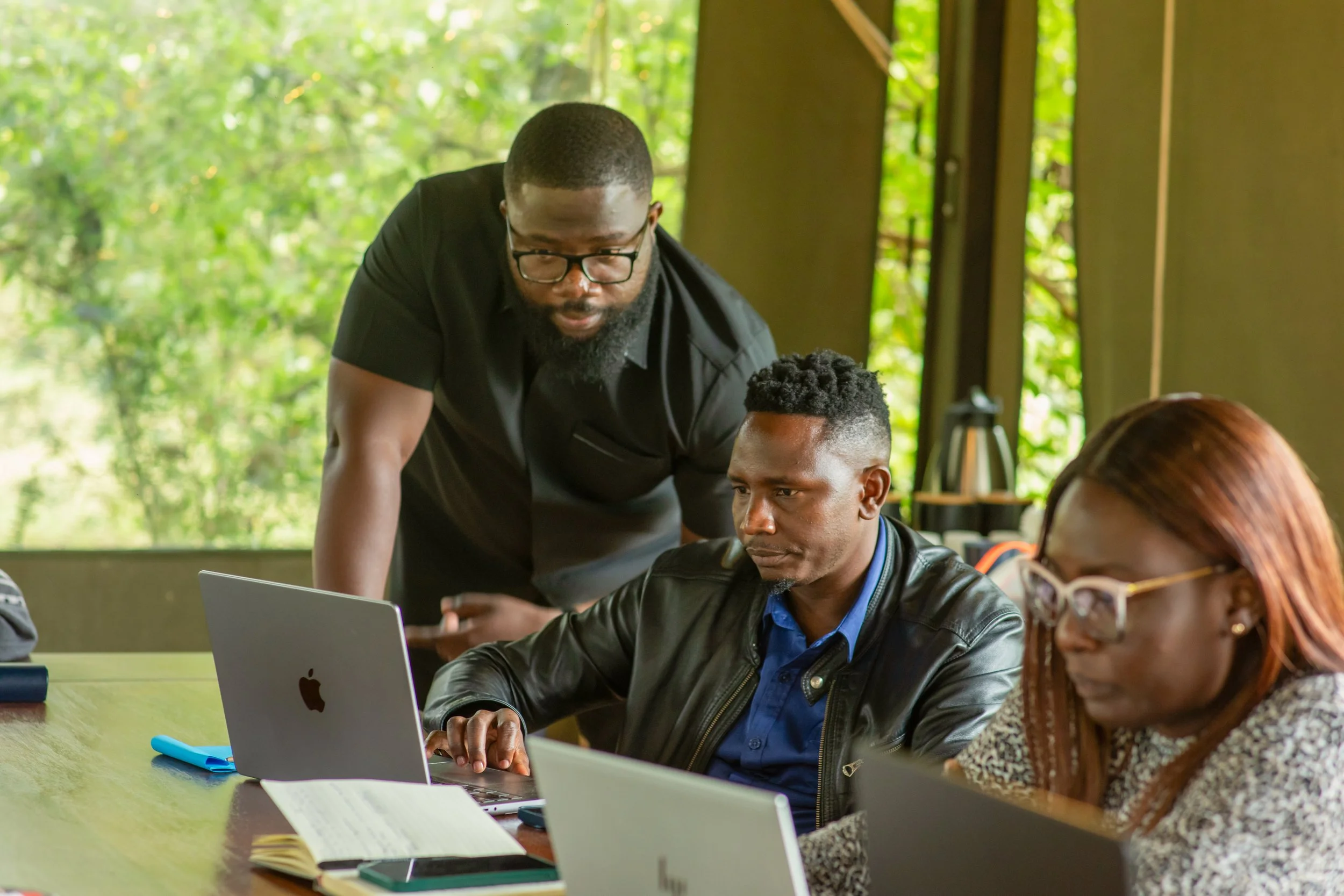
Chamrid Kpadonou working with Alfred Muli and Michelle Wanjala
African-led organizations are doing extraordinary work. They have been for decades. What has too often been missing is not the work itself, it is the infrastructure to make that work visible, and the resources to recognize the expertise of African-led organizations.
Last year, African Collaborative launched its open application system, a platform built to lower the barriers to applying for funding and, in the process, to document the breadth of what is happening across the continent. More than 3,000 organizations completed applications in our open call. Their submissions reaffirmed something we have always believed: the ecosystem is rich, the leaders are ready, and the gap is resources rather than capacity.
We sat down with Chamrid Kpadonou, our Senior Manager of Grantmaking Systems, to talk about what the system was built to do, why sharing that data matters, and what the sector needs to be willing to accept.
The goal was always to make applying easier and to do more with what came in.
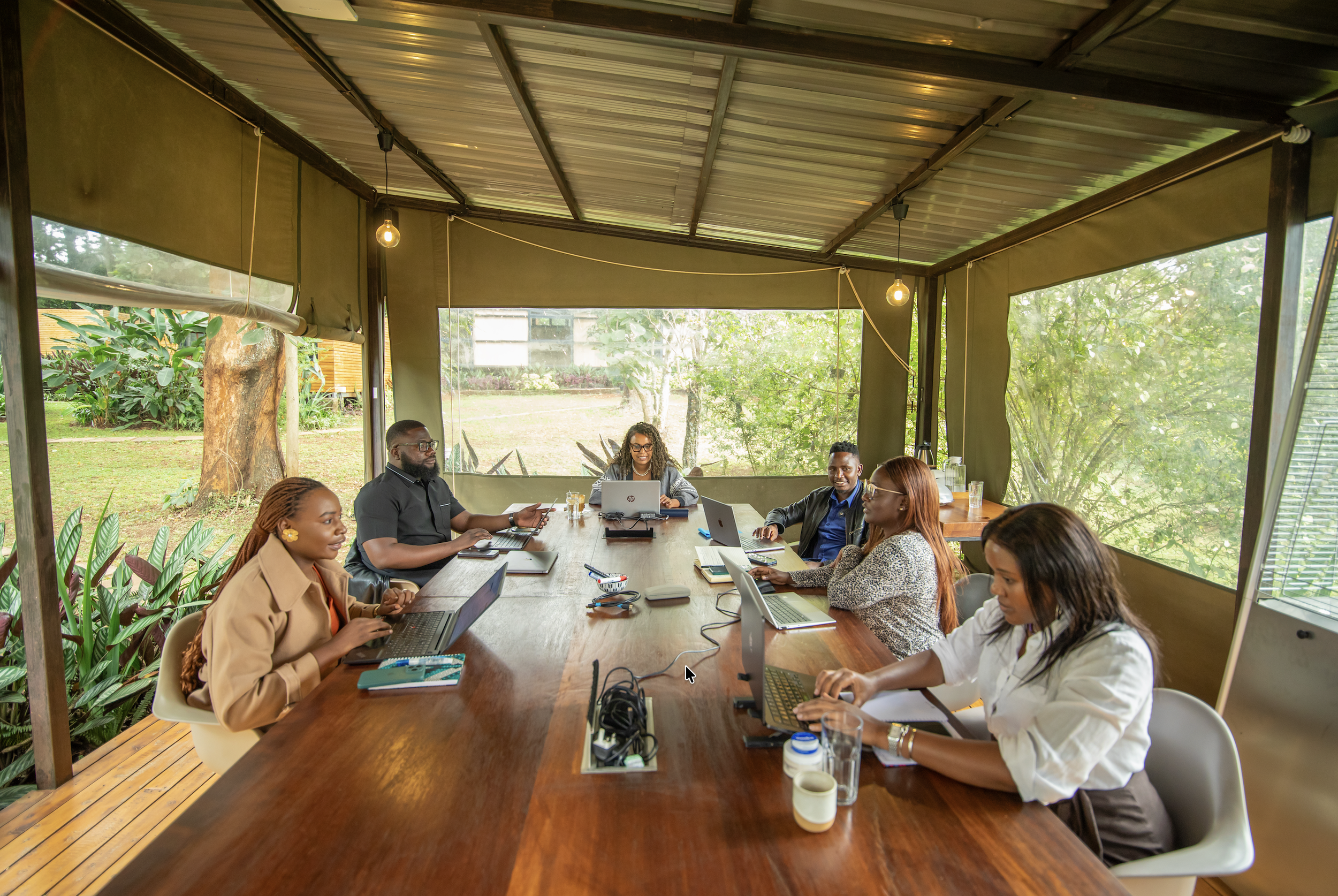
African Collaborative Programs Team
For Chamrid, the open application system was not about modernizing a form. It was about removing the barriers that organizations, particularly those in regions with unreliable internet connectivity, face before they can even tell their story.
"Our goal is to improve how organizations experience grantmaking," he says. "Through this platform, we want organizations to have an easier way to submit their applications. It includes features that allow them to collaborate on applications and helps mitigate issues related to internet connectivity."
The longer-term vision goes further. The team is currently working on multi-language submission support, with the goal to make the platform a one-stop portal where organizations return to update prior submissions rather than start from scratch each cycle, and where the relationship with African Collaborative extends well beyond the application itself.
Internally, the review process is now centralized, strengthening how the team manages data, conducts due diligence, and supports organizations across the pipeline. The enhanced system enables automated filtering based on information provided by applicants, streamlining the initial assessment process and improving consistency. It also allows for simultaneous reviews by multiple internal team members, increasing efficiency and collaboration throughout the evaluation cycle.
In addition, the platform provides a structured way to document and retain all supplementary findings gathered during the review process. Reviewers can now add contextual comments to individual scores, ensuring that assessments are supported by clear rationale, richer qualitative insights, and comprehensive documentation. These improvements enhance transparency, strengthen decision-making, and create a more robust institutional record of each evaluation.
We could fund only a fraction of the organizations. That is not a reflection of the field.
More than 6,000 organizations started applications. Over 3,000 completed them. The gap between what came in and what we could fund is not a measure of applicant quality; it is a measure of how underserved this ecosystem has been.
"There is a huge gap between the demand for funding and what we can provide as a collaborative fund," Chamrid explains. "Even if an organization does not make it to our final partner list, that does not mean they are not deserving of support. It simply reflects how limited the available opportunities are compared to the number of strong organizations doing meaningful work."
Rather than let that gap go unaddressed, African Collaborative is building ways to bridge it. With applicant consent, the team shares organization profiles with donors and partners looking for organizations working in specific areas. The volume of applications has opened up a living pipeline of brilliant African-led organizations that we can now put in front of funders looking for exactly this kind of leadership.
There has never been a shortage of organizations. There has been a shortage of visibility.
One of the most consistent findings from this applicant pool is how many organizations are doing exceptional work that funders simply do not know about.
"There are many organizations doing meaningful work, but that information is not always documented or easily accessible," Chamrid says. "Through our open application system, we are helping document this work and make it more visible. We hope to serve as a bridge between organizations doing important work on the continent and funders who are actively seeking that information."
The platform creates a centralized data set that funders can draw on when looking for partners aligned with their specific areas of focus. An organization that does not make African Collaborative's final list may be exactly what another funder has been looking for.
“There has been a tendency to suggest that Africa lacks organizations capable of addressing systemic challenges. But what we see through the applications is a wide range of approaches, strategies, and innovations aimed at tackling systemic inequalities. The responsibility is on us to dedicate the time to learn from these organizations and figure out how to amplify their impact.”
For funders, the ask is simple: be willing to learn and unlearn.
Our open application system is one model. But the infrastructure only works if funders show up to use it and to question the frameworks they have long used to evaluate impact.
"Funders need to be open-minded and willing to learn and unlearn," Chamrid says. "There is so much work happening across the continent, but understanding it requires questioning some of the assumptions that have shaped traditional philanthropy. Funders need to be willing to rethink how they approach grantmaking and how they perceive impact."
That means reconsidering what credibility looks like, who gets the benefit of the doubt, and how much of the burden has historically fallen on organizations to prove themselves to systems not designed with them in mind.
"Being open to learning and unlearning is essential if we want philanthropy to better support the organizations that are already creating impact on the ground."
That work continues with the organizations we are proud to welcome as our newest partners on Thursday, June 25, 2026.
To learn more about our grantmaking approach, visit https://www.africancollab.org/grantmaking.
