
Africa Book Development Organisation
Africa Book Development Organisation
Zimbabwe | Southern Africa
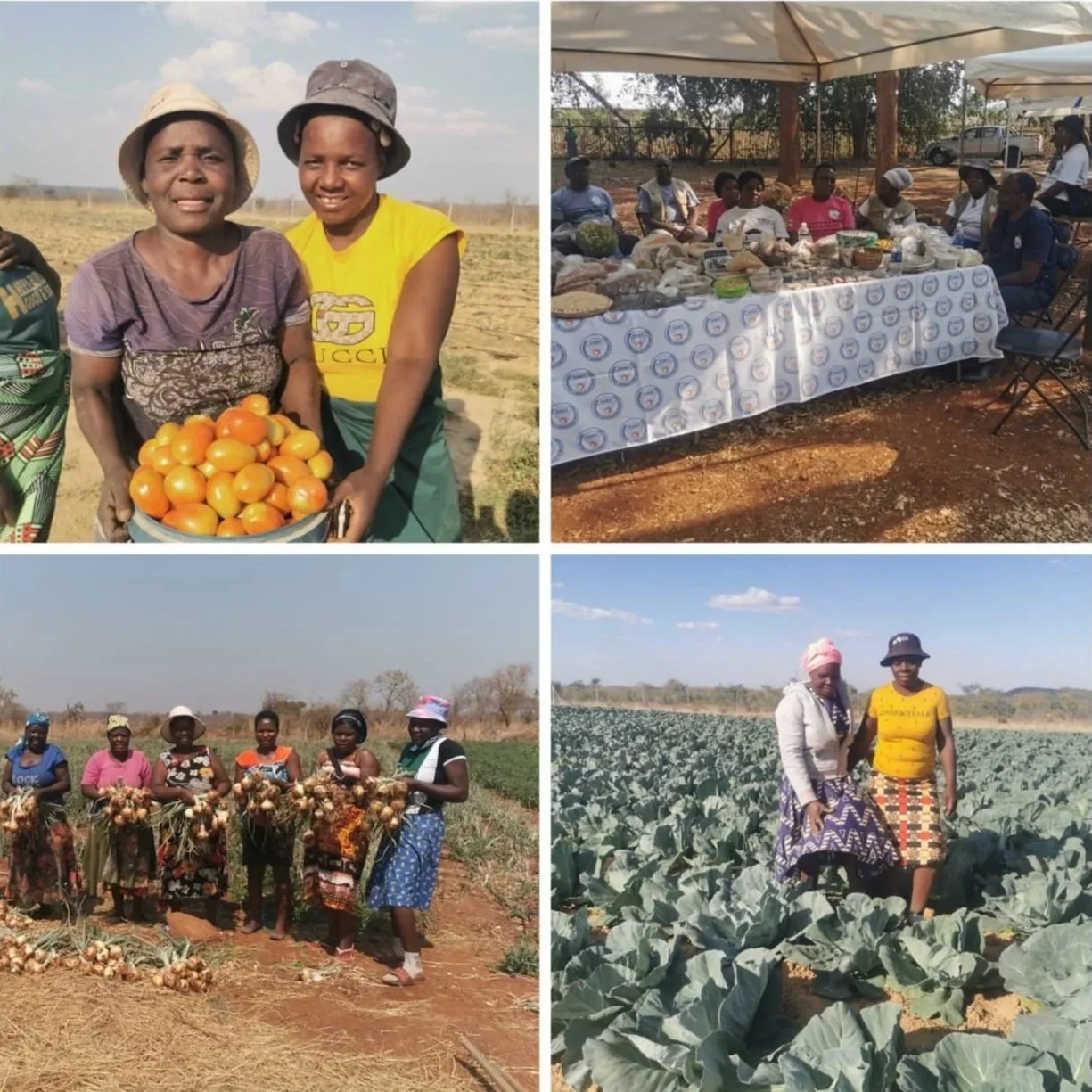
ABDO's model is built on a single conviction: people closest to a problem are the ones who hold its solution. "The solutions of all issues are within the community," Musendo Kuchinei Alpheus, Executive Coordinator, explains. "What we know is that anything that happens or that originates within the community, ABDO believes that it is the affected who have the initiatives to address the issues that are affecting them." In practice, that means small groups of five or six community members, organized through what ABDO calls Study Circles, come together around shared interests, because they are affected by the same problem such as gender based violence, poverty, diseases or lack of productivity on the farms. The solutions come in the form of market gardens, irrigation farming, sewing, or poultry. They use those gathering spaces to tackle bigger issues and plan their own responses.
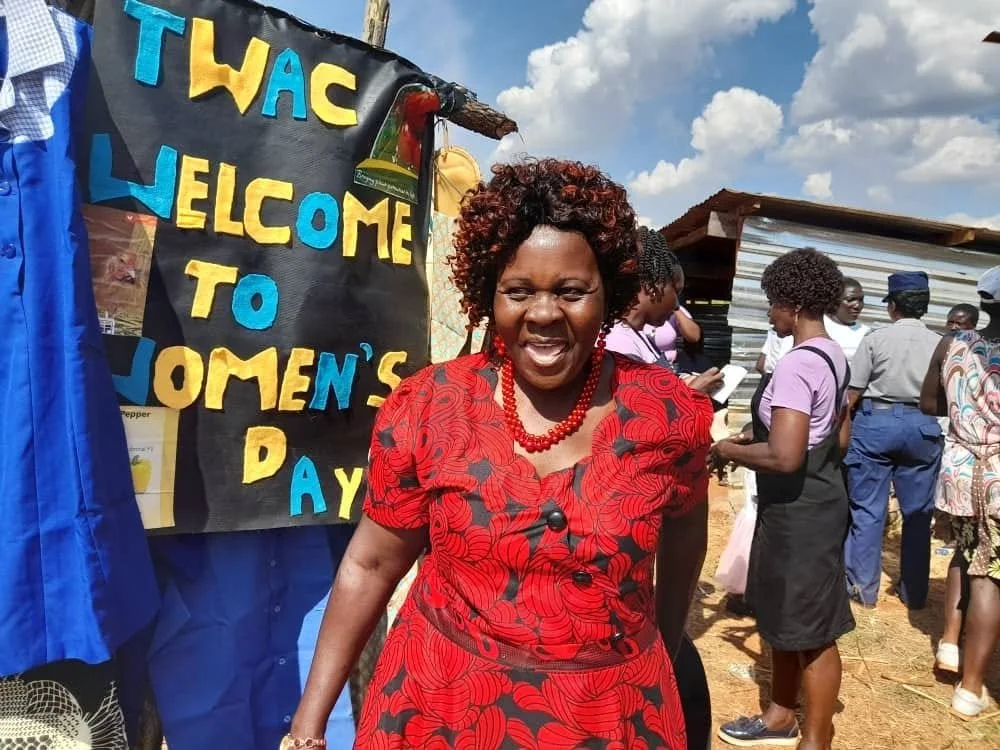
That story did not start with a school. It started with a garden. The women who would eventually build Mopani Park Primary School began by organizing around a small irrigation project, which led to conversations about food, which led to conversations about their children, which led to the realization that the school six kilometres away was too far for many girls to safely reach. With support from a partner Foundation, they moved from talking to building. "Our change, our excitement as ABDO, is how the farm women... transformed the idea into a tangible and visible infrastructure," Alpheus reflects. "Today, they are proud that it's their school."
The measure of success at ABDO is not what it delivers, but what a community no longer needs delivered to it. "When people are able to identify issues that are affecting them, find solutions of how they can address the issues... without relying on donor support, that counts as change within the community.”
View ABDO’s Profile
