Fountain of Hope Africa
Fountain of Hope Africa
DRC & Malawi | Central Africa
Marcel Cirhuza grew up watching his father provide for an entire village in eastern DRC, bringing the first clean water, vaccinating animals dying by the hundreds from preventable disease, and feeding children who showed up at the family home every morning and evening. "I would think that's just how life is in all families," Cirhuza recalled. "I didn't know that it was something like social impact, or it was a service." That quiet inheritance shaped everything that followed: a secondary school project funded by UNDP that he completed at 20, spending every dollar on the project and returning home with nothing; a forced flight from DRC in 2009 amid conflict; and years in a refugee camp in Malawi, where Fountain of Hope Africa was born: not from a strategy document, but from a single, devastating encounter on a rainy morning.
In 2009, Cirhuza met a woman walking to the camp's graveyard before sunrise, carrying one child and leading four others, to show them where their father was buried because they had gone two days without food and kept asking. "I had to do something," Cirhuza said. He gave her a small amount of money to start selling vegetables at the market; the next day, he found her there, working. "That was my first happiness in the camp." From that moment, Cirhuza began identifying other women in similar circumstances: borrowing a pastor's phone for four hours a day, traveling to universities to collect donated clothes and food, slowly building what would eventually become the first refugee-led organization formally registered in Malawi, a process he navigated largely on his own.
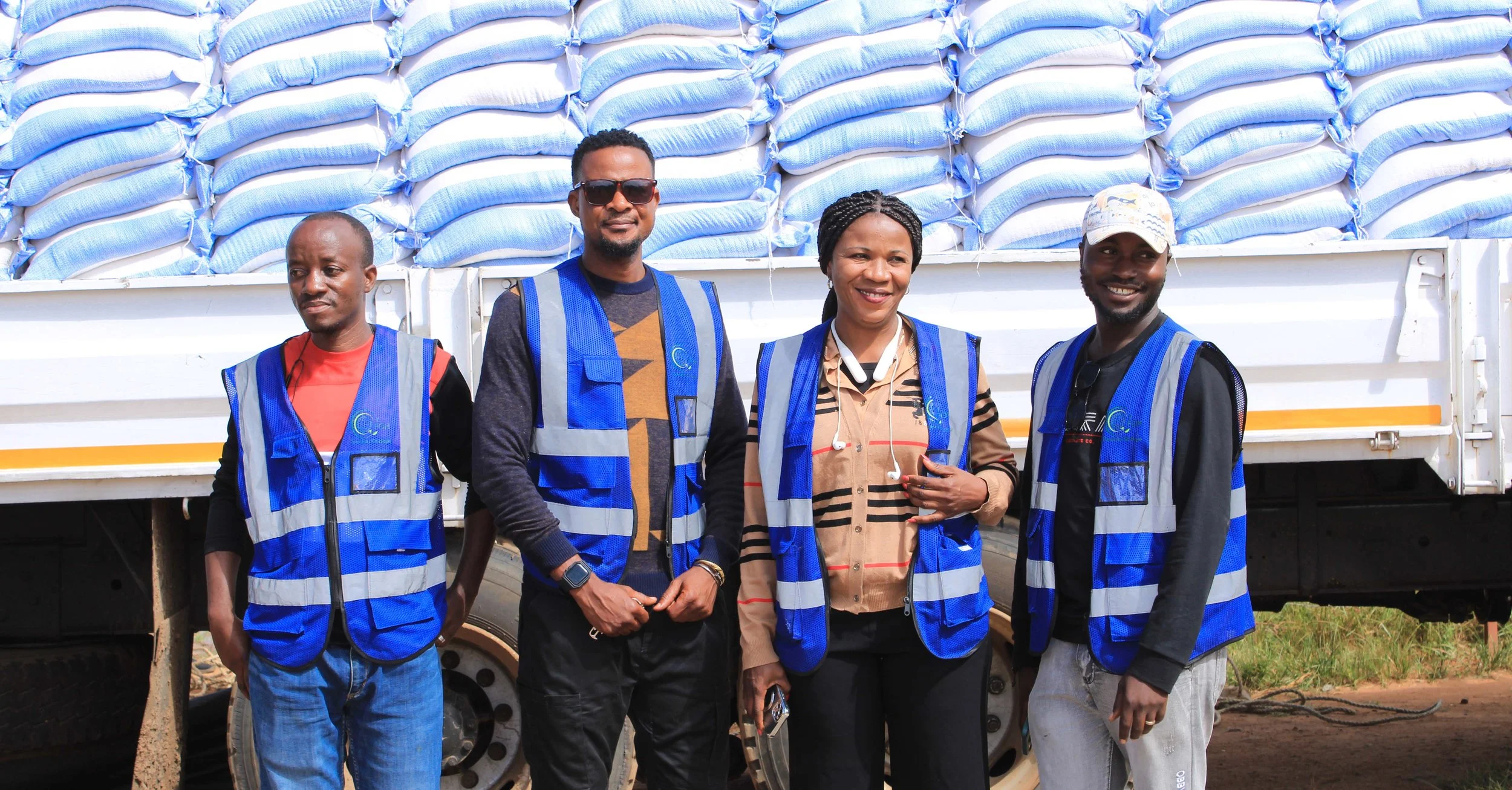
Fountain of Hope Africa Team
Today, Fountain of Hope Africa runs an integrated model spanning education and livelihoods across DRC and Malawi, built on a hard lesson Cirhuza learned early: focusing on only one need at a time does not work. In Goma, Fountain of Hope Africa staff once arrived to enroll women in livelihood training and instead found 36 displaced women living in a bombed-out school with nearly 70 children, including a boy who had been living with an untreated bullet wound in his leg for four months. "If we provide this woman with training, is she going to concentrate?" Cirhuza asked. "The answer is no." Fountain of Hope Africa took the boy to multiple hospitals before finding the supplies to treat him. Only then did his mother enroll in the livelihood program Fountain of Hope Africa had originally come to offer.
Displacement, Cirhuza insists, is not temporary, and the people living through it are not visitors waiting to leave. "There are people who have been in the refugee camp in Malawi since 1994," he said. "They have no plan to leave." He carries a specific caution born from watching others arrive with certainty. A well-funded initiative once drilled boreholes in the camp without consulting anyone who lived there, placing them too close to pit latrines. All are now contaminated and closed, and the camp now trucks in water around the clock, three driver shifts a day, to compensate. "They had very good intentions," Cirhuza said. "But the problem is, they didn't know the problem. We are there before you come to us, and when you leave, you will leave us there."
Interview with Marcel Cirhuza
Visit Fountain of Hope Africa’s Profile