Imagine Her
Imagine Her
Uganda | East Africa
The question Nathan Okiror set out to answer was simple: why were girls in eastern Uganda dropping out of school. The answer that kept surfacing was menstruation: girls who lacked the means to manage their periods and fell behind until they stopped attending altogether. Imagine Her's first response was direct, training girls to make their own reusable sanitary pads and bringing fathers and brothers into that training to shift attitudes at home. But the deeper they went, the clearer it became that menstruation was not the real barrier. It was economic dependency. Women in rural Uganda perform roughly 77% of farm labor but own only about 6% of land; without land, they have no collateral, no bank accounts. "It was clear that the mother couldn't be in a position to actually invest in her daughter's future," Okiror said. By 2017, Imagine Her had reframed itself entirely around that insight.
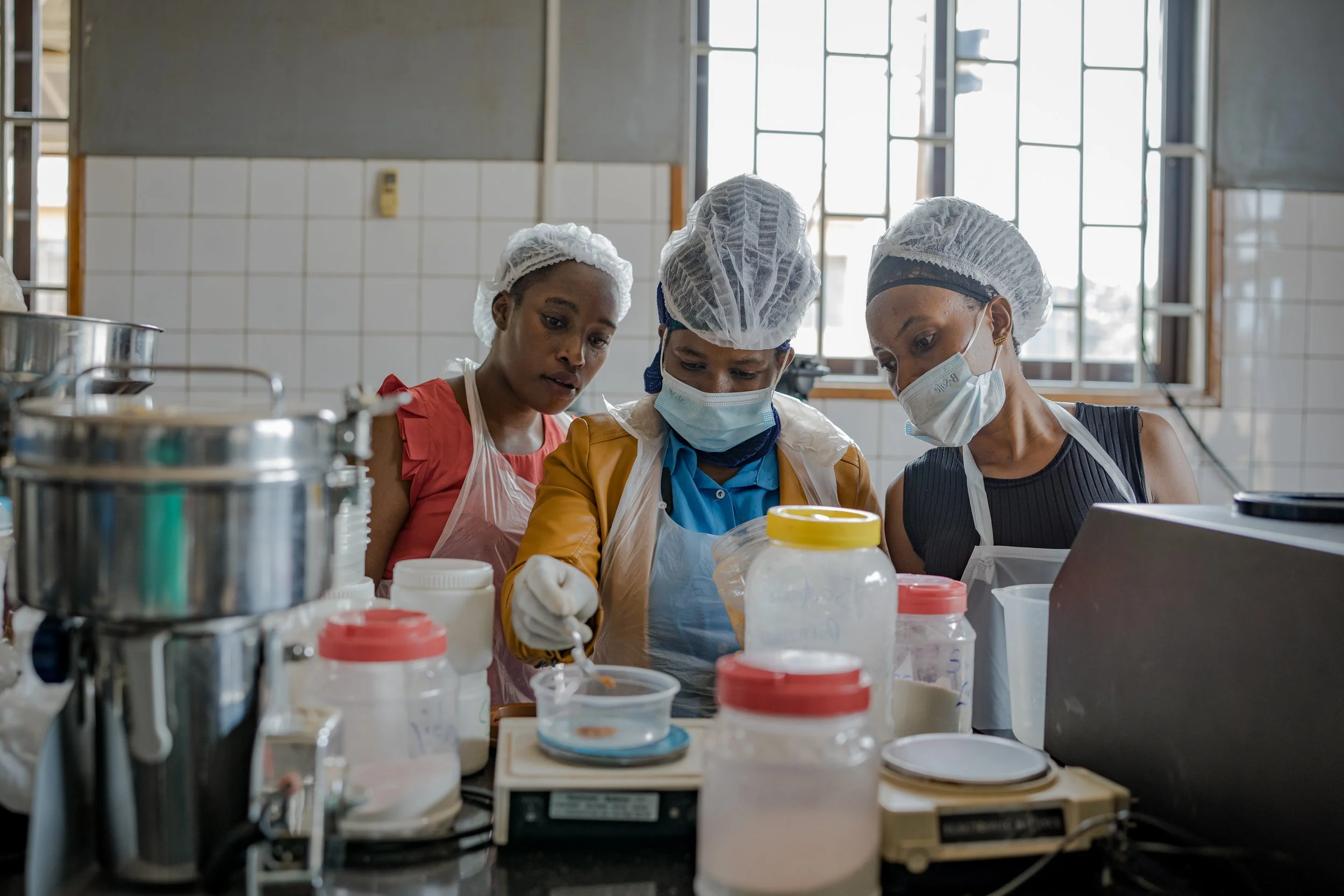
The organization now runs what it calls a train-invest-grow model: three months of training in social entrepreneurship and design thinking, access to patient, interest-free start-up capital, and ongoing mentorship as ventures take shape, with a particular focus on agri-food systems and climate resilience. "When we give a rural woman the right skills and the right resources, she does not just survive," Okiror said. "She starts a venture that puts money in motion, creates jobs for her neighbors, and sends a ripple impact across the entire community."
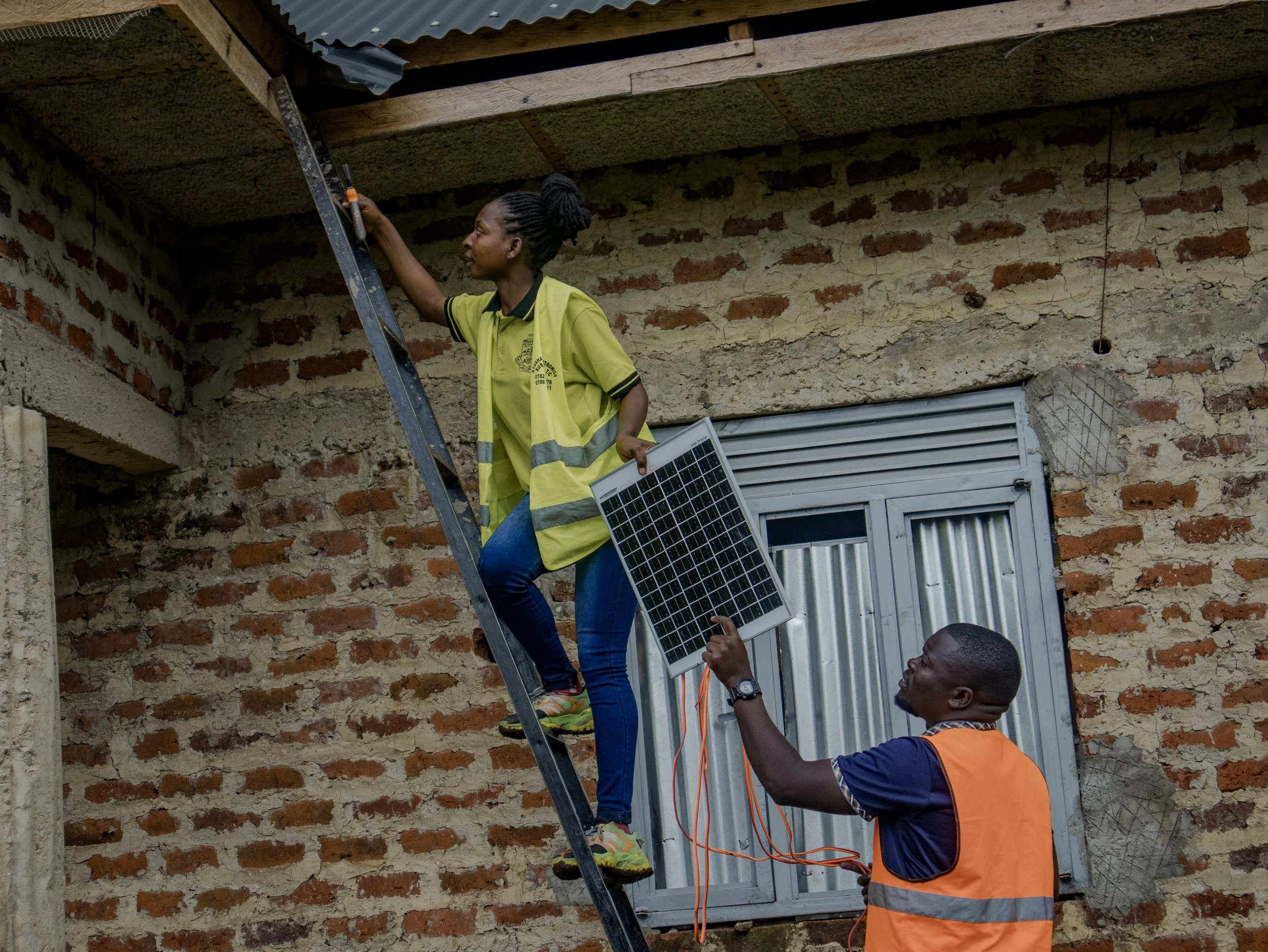
Imagine Her’s social entrepreneur, Edvine Turashemere
The story of one Imagine Her graduate, Faridah, captures what that ripple looks like in practice. Her father, like many farmers in her community, was losing significant income to post-harvest spoilage of fruit. After joining Imagine Her's program in 2021, she tested several ideas before landing on one that worked: solar-drying pineapples and other fruit to extend their shelf life, paying local farmers a higher price than middlemen could offer. The business grew into one of Imagine Her's "redwoods," ventures generating $50,000 or more annually and employing five or more people. She has since sold the company and moved on to new ventures. "Even in rural Uganda," Okiror said, "once you provide the right capital... those enterprises can actually go through the same pathway that a startup in an urban area can go, and exit just like any other company."
The most important shifts Imagine Her creates don't show up in an annual report: the moment a woman stops believing entrepreneurship is for other people, or the confidence that compounds quietly before any revenue does. "Reports tell us what changed," Okiror said. "The relationships, confidence, and sense of possibility tell us what change will always look like, and how it will last." He wants more funders to understand that building rural entrepreneurial infrastructure is long-term work. It does not happen in a day. What Fariadh's story shows is not just what one woman built, but what becomes possible when the conditions for building are finally in place.
Interview With Nathan Okiror
Visit Imagine Her’s Profile