When Local Leaders Are in the Room
Written by Doris Kamathi with reflections from Julie Khamati
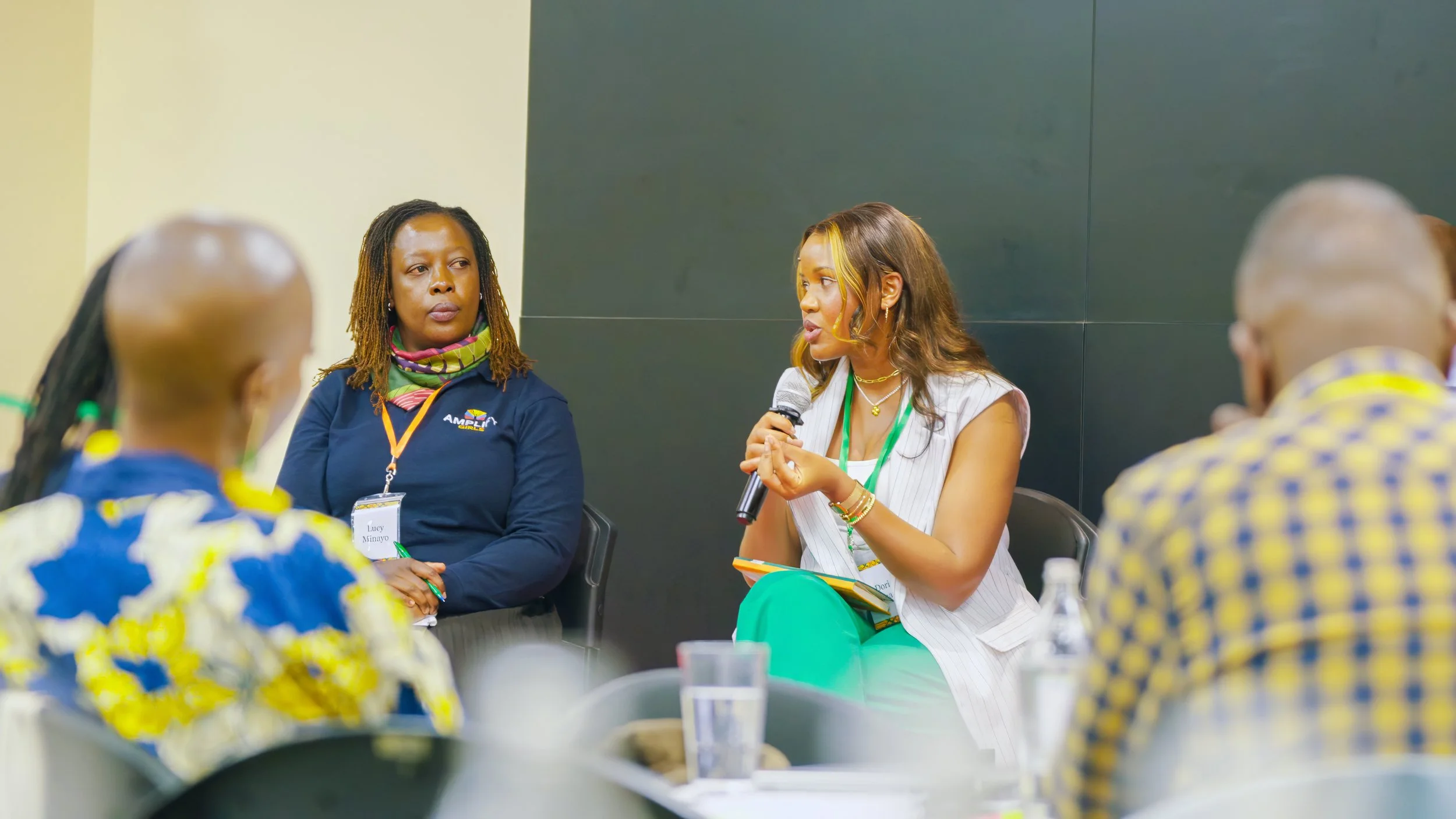
Credit: Issroff Family Foundation
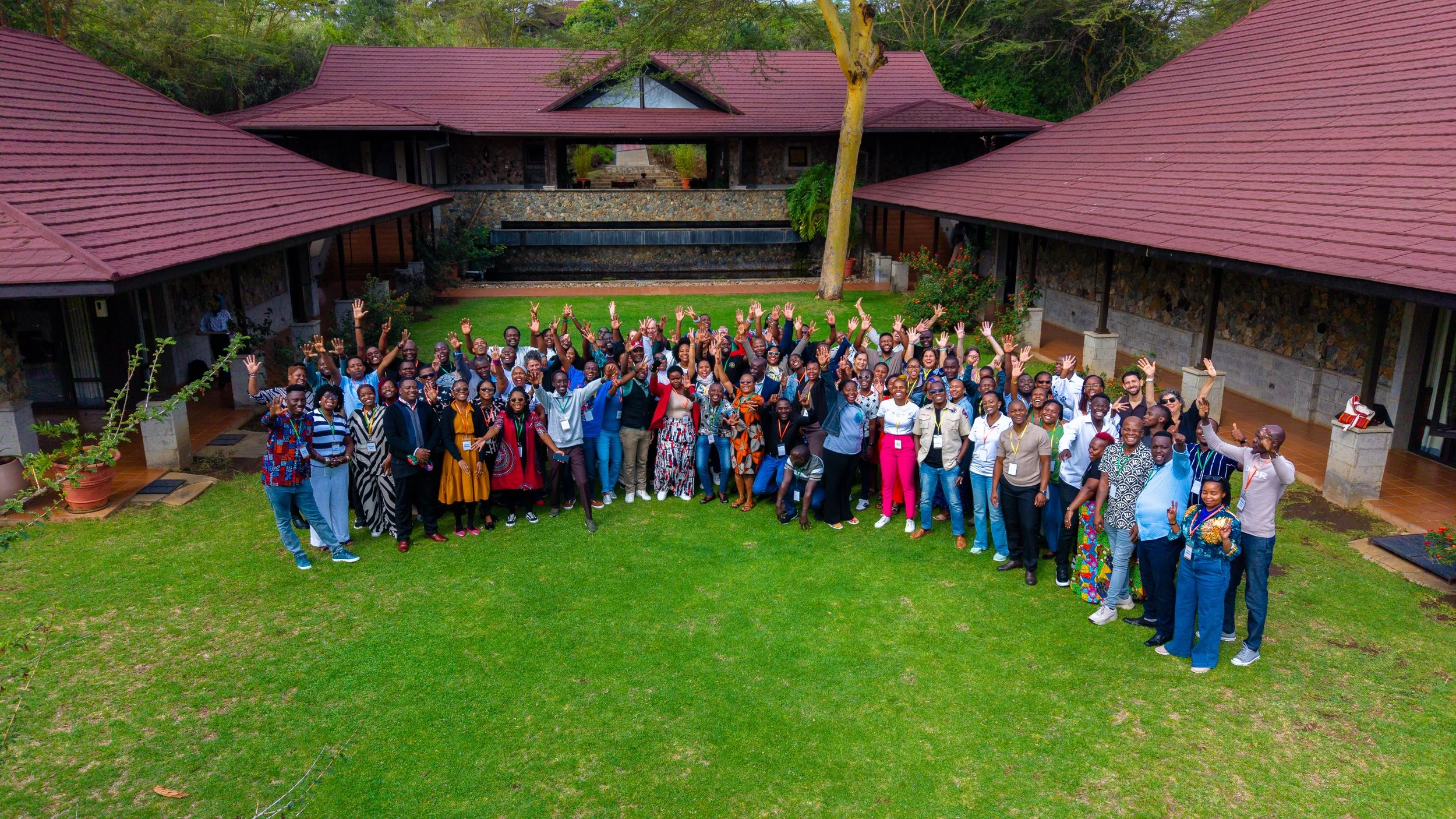
Credit: Issroff Family Foundation
What happens when local leaders from across East and Southern Africa come together to share ideas and solutions?
Recently, African Collaborative had the opportunity to participate in a convening hosted by the Issroff Family Foundation, bringing together IFF partners comprised of local leaders from across East and Southern Africa. Many of the leaders present were young people who are actively designing and implementing innovative solutions to challenges facing their communities.
With bold ideas, clear commitment, and a deeply grounded understanding of local contexts, across the continent, this kind of leadership is often happening with limited resources. Spaces like these remind us that one of the continent’s greatest resources is the leaders emerging from its communities.
Why We Use Open Calls
I was invited to join a panel discussion to share African Collaborative’s funding model and approach. During the panel discussion, I shared the approaches we use to identify and partner with organizations: open call applications.
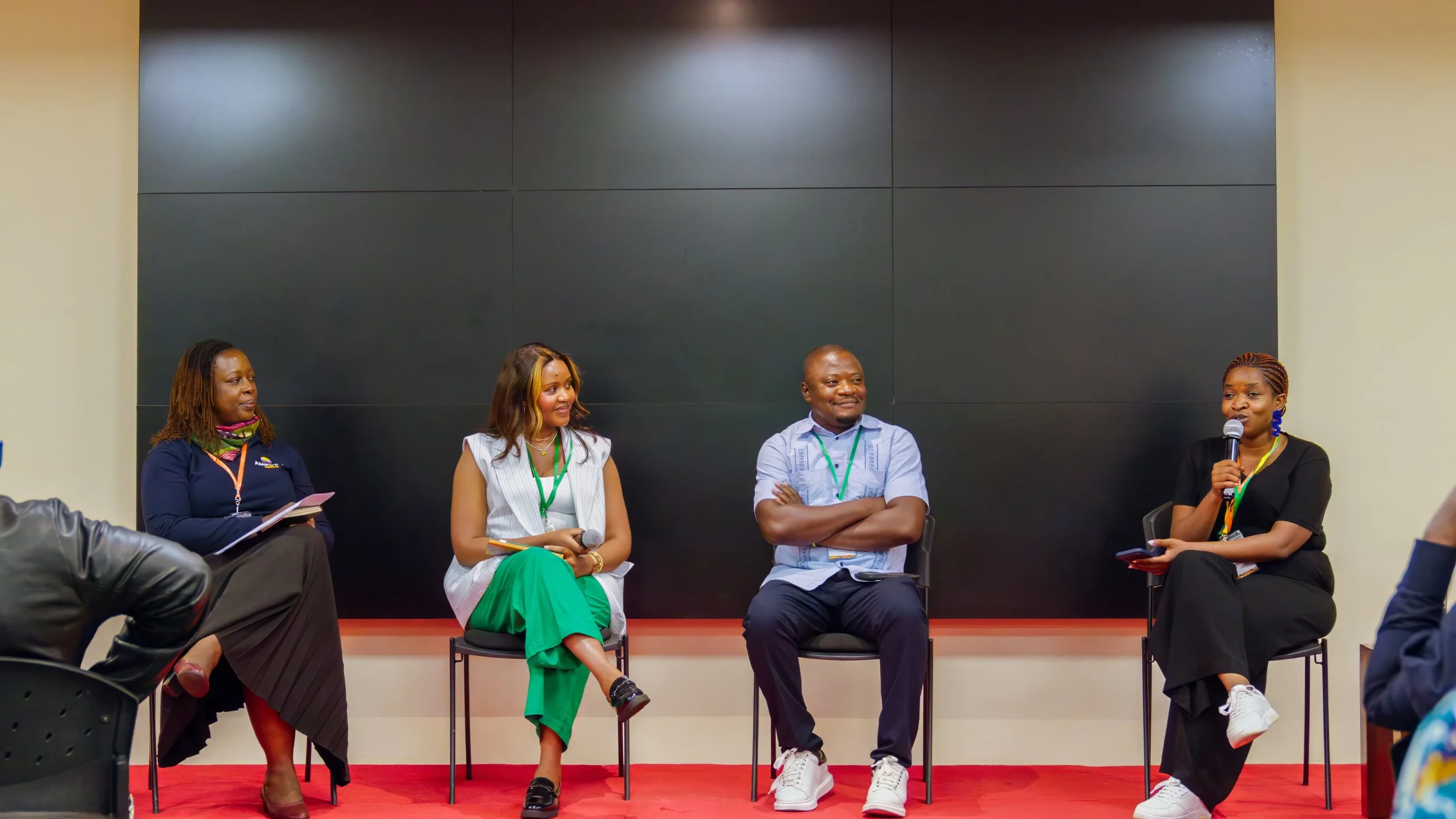
Credit: Issroff Family Foundation
While open calls require significant time and coordination, we have found them to be an important way to expand access to funding opportunities. Many organizations doing impactful work in their communities are often far removed from traditional funding networks. They may not attend major conferences, build relationships with funders, or be connected to referral systems. Open calls help widen access. They play a valuable role in making funding opportunities more transparent and accessible.
In 2023, when we launched our first open call, we received over 800 applications in one month. In 2025, our second open call drew over 6,000 expressions of interest, and more than 3,000 completed applications from organizations across Sub-Saharan Africa, spanning multiple sectors and at different stages of growth.
These numbers reveal the enormous amount of local leadership and innovation happening across the continent that exists beyond traditional networks.
For us, this approach has helped us discover organizations we might not have encountered otherwise. With applicant consent, their information can be shared with funders seeking to support locally rooted organizations in Sub-Saharan Africa. We believe expanding how we identify and support local organizations ultimately helps strengthen the ecosystem as a whole.
Investing in Organizations, Not Just Programs
Another strong theme throughout the convening was organizational development. Participants engaged in sessions on fundraising, monitoring and evaluation, and leadership development. This recognition was important because the long-term success of any program depends on the strength of the organization behind it.
In the broader funding landscape, resources are often directed toward implementing specific projects or programs. Yet the long-term success of those initiatives often depends on something deeper, the strength of the organization itself. This can leave organizations with little room to invest in what they actually need to grow, adapt, and sustain their work.
This reflects something we believe deeply at African Collaborative. That’s why each of our partner organizations receives $15,000 annually dedicated specifically to organizational development. These funds allow partners to strengthen areas that are most important to them, whether that means improving internal systems, building leadership capacity, enhancing learning and evaluation processes, or strengthening their fundraising strategies.
We do not prescribe how organizations should use these resources. We trust our partners to determine what their organizations need the most.
In practice, that looks different for every organization:
Kidame Mart used their organizational development grant to revise their financial and internal control systems, HR manual, and procurement processes, which reduced risk and strengthened staff administration.
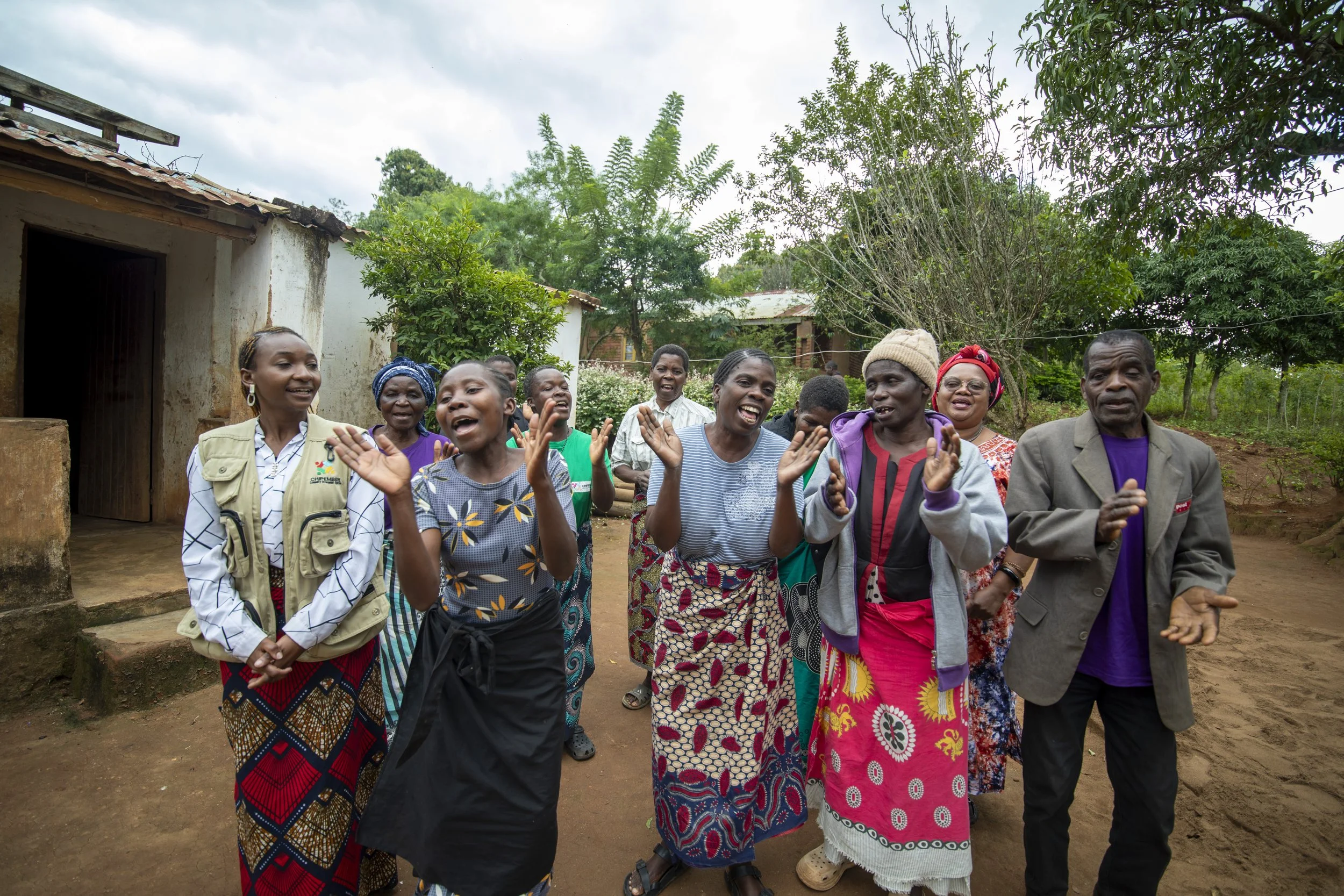
Chipembere Community Development Organization (CCDO) used theirs to hire an HR manager and procure HR software.
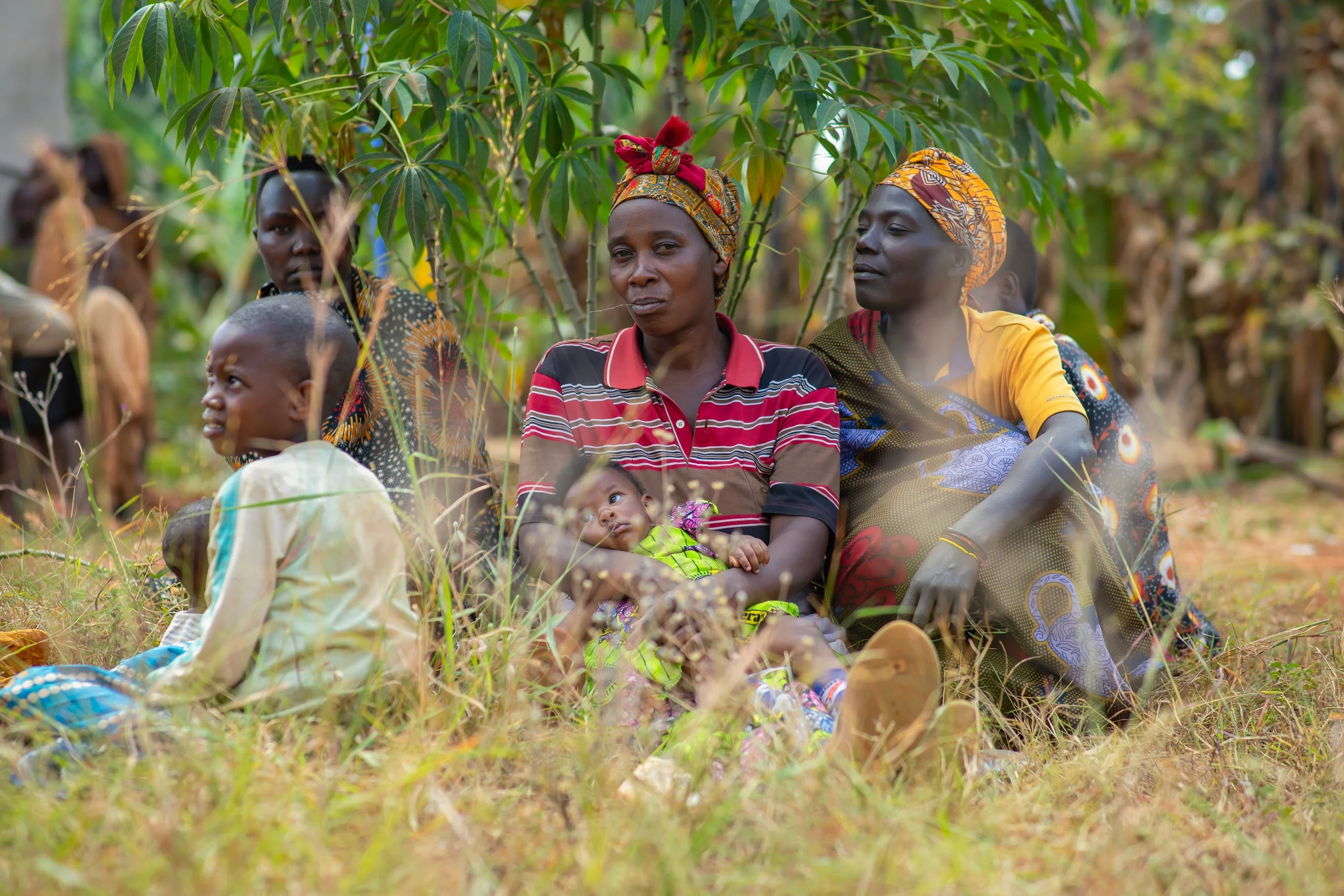
SaCoDé took a different approach entirely, using the grant to open an office in Muyinga, one of the most remote areas of Burundi, so they could reach communities that are too often overlooked.
By investing in organizational strength alongside programmatic work, we believe partners are better equipped to sustain their impact and continue addressing the challenges their communities face.
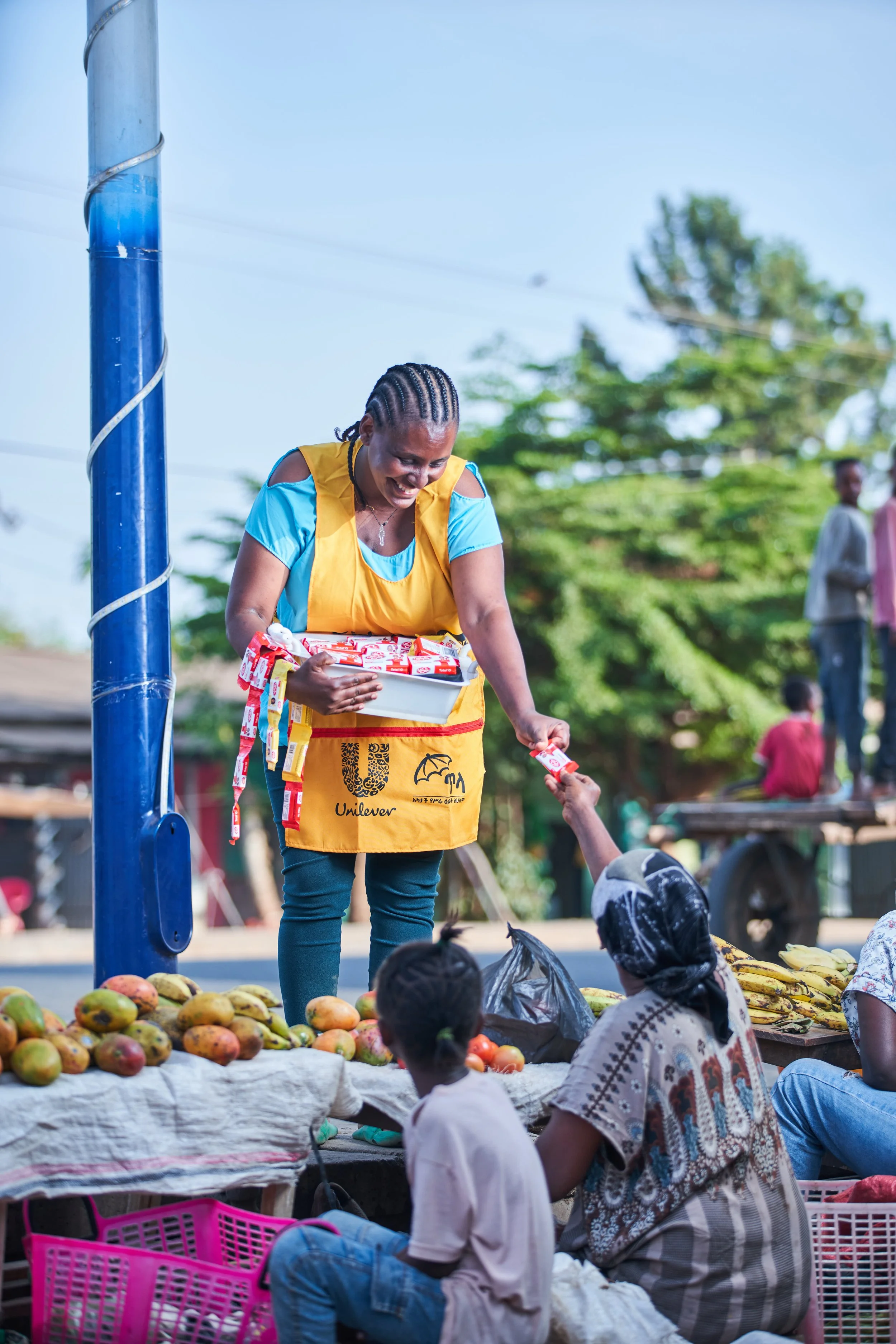
Kidame Mart
CCDO
SaCoDé
Across conversations and sessions, leaders shared innovative approaches to addressing issues ranging from social challenges to community development opportunities. What stood out most was not only the creativity of the solutions but the strong sense of responsibility these leaders feel toward their communities.
We are grateful to the Issroff Family Foundation for convening such a thoughtful and energizing gathering. Across the continent, the depth of leadership and innovation that exists across African communities is immense. Gatherings like these are an important reminder of why creating spaces where local leaders can connect, share knowledge, and strengthen their organizations matters.
Julie Khamati, our Senior Coordinator for Portfolio Services and Special Projects, also attended the convening. She put it best:
“African solutions are available, and African leaders are already driving change within their communities.”
Watch Julie share what she witnessed in the room.