Penplusbytes
Penplusbytes
Ghana | West Africa
"The assumption we sometimes make is that young people are not interested in democracy," said Jerry Sam, Executive Director of Penplusbytes. "But what the data actually shows is that it's disillusionment, not indifference." Recent Afrobarometer research bears him out: opposition to military rule across West Africa has dropped 11 percentage points over the past decade. Citizens, Sam argues, have not given up on the idea of democracy. They have given up on being included in it. Penplusbytes, which Sam has been part of since 2008, exists to close that gap. Founded in 2001 as a network of journalists committed to strengthening journalism through technology, it has grown over more than two decades into one of West Africa's leading civic technology institutions, with work spanning media, governance, digital rights, and partnerships with the African Union and ECOWAS.

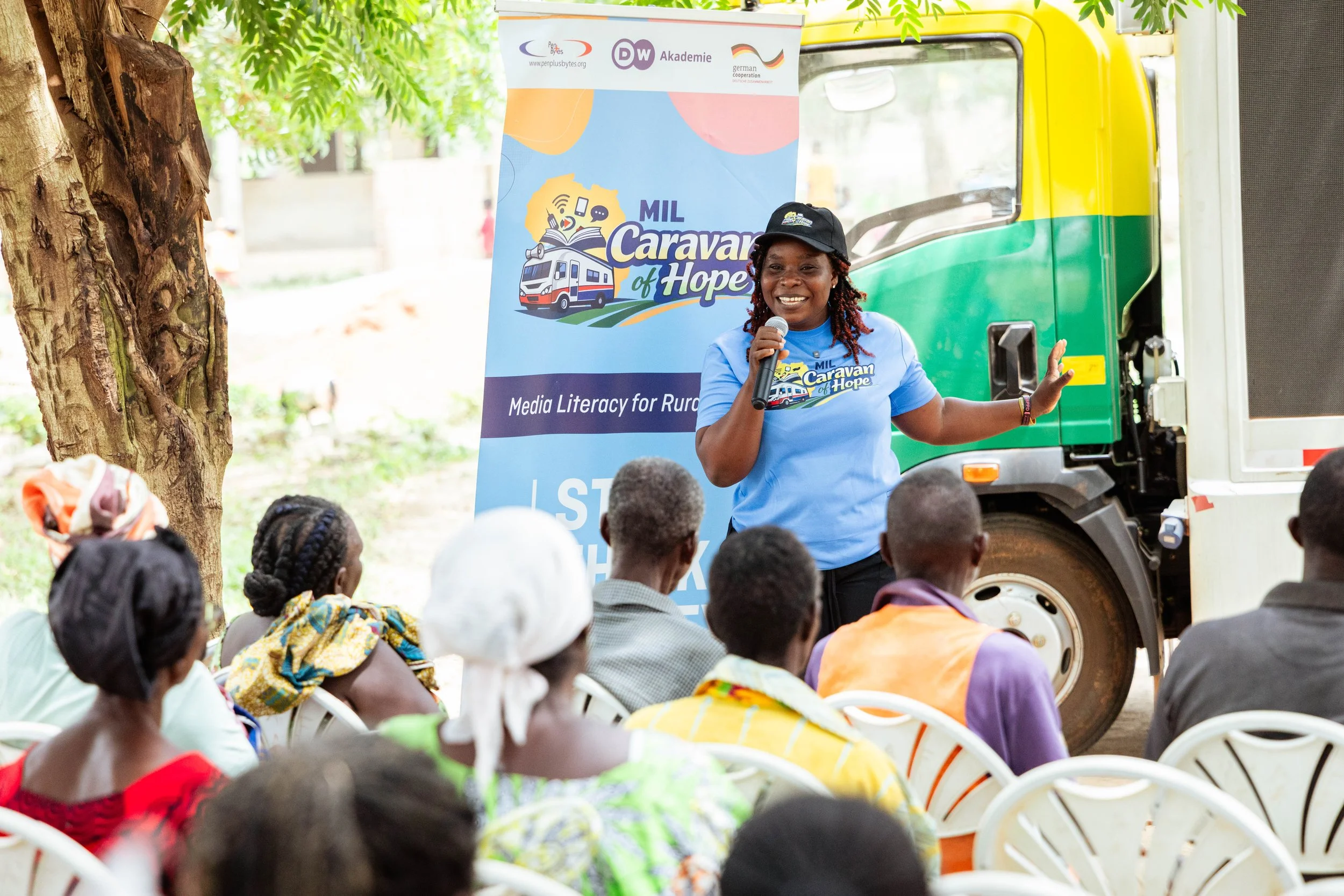
That conviction shapes how Penplusbytes builds. The organization's guiding principle is to not leave anyone behind, which has pushed Penplusbytes well beyond urban, literate populations and into harder-to-reach communities: developing accessible materials for deaf students, training market women, and reaching rural areas often skipped by digital literacy programs. "We co-design our interventions with the youth, women, persons with disabilities," Sam said, "rather than sit in an air-conditioned office and design something for them which becomes a museum they cannot really interact with."
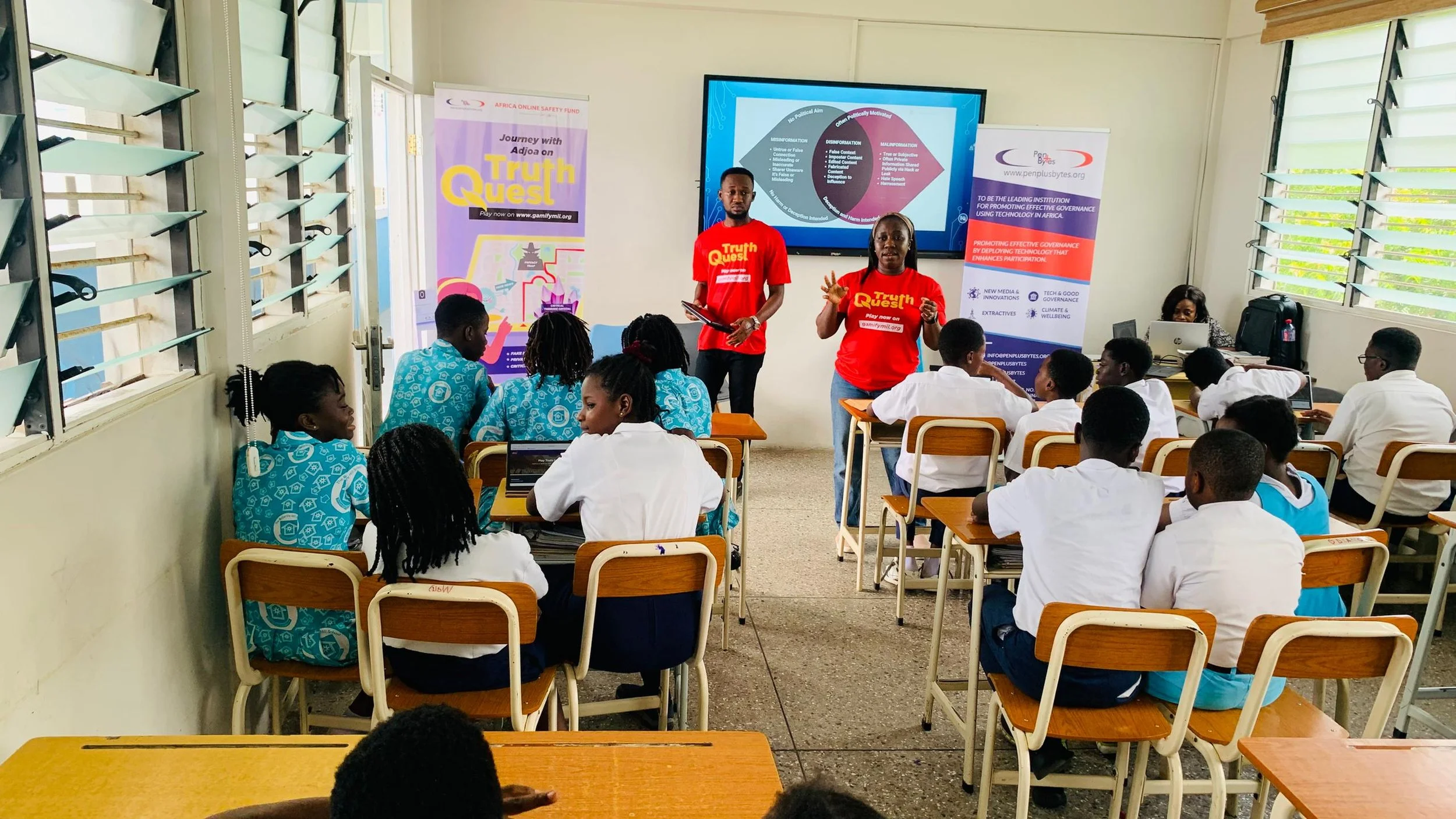
Penplusbytes' election monitoring work, running since 2008 across 18 elections on the continent, shows what that approach produces at scale. During Ghana's 2024 elections, the organization deployed AI-driven social media monitoring and identified coordinated disinformation campaigns specifically targeting first-time voters. Rather than simply publishing findings, Penplusbytes used the data to build targeted voter education, train youth groups in media literacy, and partner with newsrooms on real-time fact-checking. This process built, in Sam’s words, "a critical mass" of informed citizens capable of identifying and calling out disinformation themselves, in spaces no single newsroom or fact-checker could reach. The result: disinformation's impact on the election proved far smaller than many had feared.
The foundational work that makes any of those numbers possible rarely appears in a report. "Real change in our space is slow and hard to attribute," Sam said. Ghana's Right to Information bill took 18 years to pass. Penplusbytes was part of that advocacy for most of those years, building coalitions, training journalists, and pushing for policy change across multiple election cycles, with no single funder able to claim credit and no single grant long enough to see it through.
That same dynamic plays out across everything Penplusbytes does: the trust built with communities over the years, the newsrooms slowly changing how they verify information, the citizens who learned to recognize disinformation in one election cycle and carried that knowledge into the next. When recent funding cuts forced other civic organizations to shut down, that work fell to Penplusbytes with no new resources to absorb it. "The most honest thing I can say," Sam said, "is that flexible, core support is what will hold all of these things together. We've been trying for so many years. It's so hard to find funding that's flexible enough to fill the gaps.
Visit Penplusbytes’ Profile