Citizens’ Gavel Foundation For Social Justice
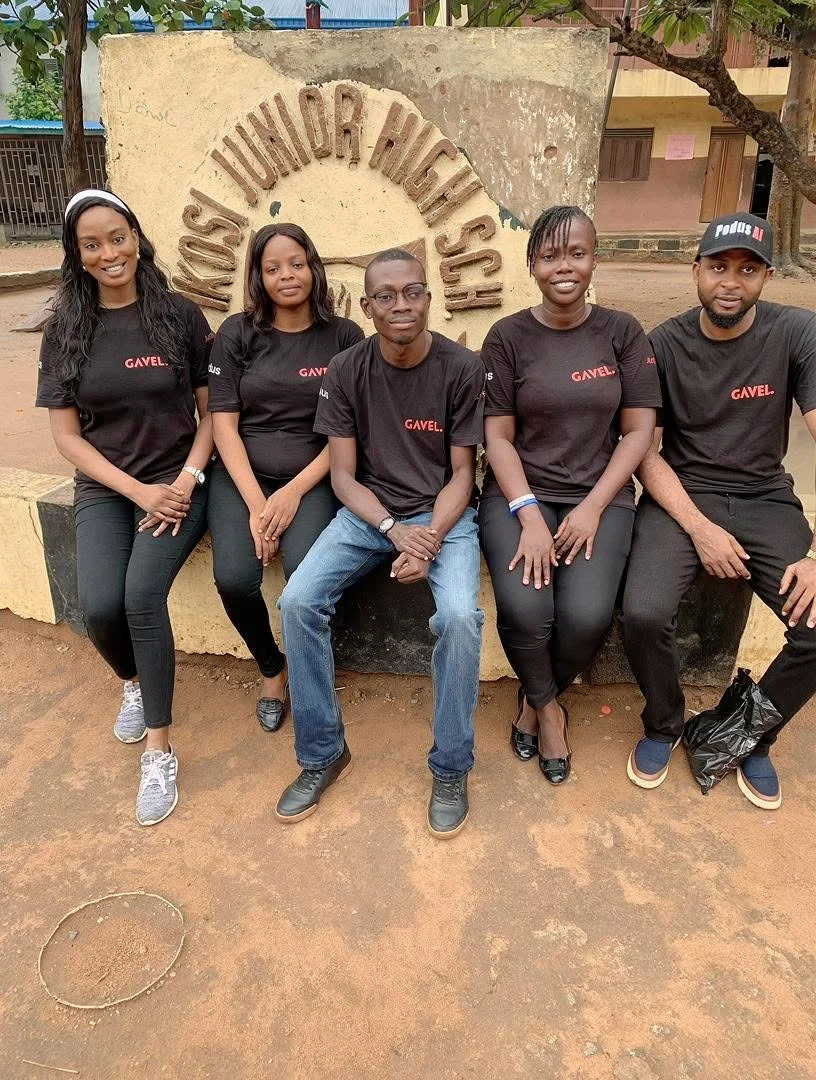
Citizen’s Gavel Foundation For Social Justice
Nigeria | West Africa
An elderly woman had saved with a bank for years. When the time came to withdraw her investment, the bank refused to pay. The bank hired lawyers, and those lawyers, instructed to delay the case by any means necessary, filed preliminary objections and ran out the clock. One of those lawyers was Nelson Olanipekun. "That's not justice to the person," he said. He left private practice and built Citizens Gavel: an organization that uses technology to get justice to people faster than Nigeria's overburdened courts ever could on their own.

Podus AI
Citizens Gavel calls itself an "Uber for justice," connecting victims of injustice with a network of lawyers across Nigeria's 37 states the way a rideshare app connects passengers with drivers. Since launching, the organization has carried out more than 6,500 legal interventions, ranging from gender-based violence cases to wrongful detentions, and helped drive systemic reform, including a directive from Nigeria's Chief Justice requiring magistrates to conduct unannounced reviews of police station detentions. During the 2020 #EndSARS protests against police brutality, Citizens Gavel lawyers were on the ground providing real-time legal support, ultimately securing compensation for survivors through a case at the ECOWAS Court. "It was a long journey," said Head of Operations Femi Ajibade, "but at the end of the journey, we could actually see that something changed."
The organization's reach extends into spaces few legal nonprofits touch. After identifying a pattern of predatory livestreaming targeting minors on TikTok, Citizens Gavel filed suit, prompting TikTok to overhaul its age-verification and livestream detection systems in Nigeria. TikTok's own transparency reports show the platform removed millions of videos and interrupted tens of thousands of livestream sessions under the revised guidelines. The organization is now pursuing similar action against Telegram over sextortion, and has built a legal AI assistant trained on thousands of pieces of Nigerian legislation and judicial precedent, now used by more than 35,000 people.
Olanipekun is clear-eyed about the gap between ambition, innovation, and funding cycles. A previous one-year grant for court technology had to be abandoned before it could scale, simply because the funding cycle ended too soon. With a long-term unrestricted commitment from African Collaborative, Citizens Gavel has something rarer than capital: room to learn what works. "If you have a partner working with you for three years," Olanipekun said, "you're able to do a whole lot, learn, and improve on what you've learned."
Interview with Nelson Olanipekun
Visit Citizens’ Gavel’s Profile