Our Sisters’ Opportunity
Our Sisters' Opportunity
Rwanda | East Africa
Delphine Uwamahoro came home with the highest marks in her secondary school examinations. Her mother told her she would not be going back to school. There was not enough money to send both Delphine and her brother to school, and her brother's education came first. A tourist from Germany, passing through her home district in northern Rwanda, heard her story secondhand and offered, unprompted, to pay her school fees. That act carried Uwamahoro through secondary school and a career as a radiology technologist, eventually including further training in Germany. When she returned to Rwanda intending to work in healthcare, women she had grown up with began arriving at her door. Many had been raped, forced into early marriage, living in extreme poverty with difficulties in accessing basic needs, or were living with HIV. She set aside her medical career and founded Our Sisters' Opportunity to address what she had once narrowly escaped herself.
Our Sisters' Opportunity
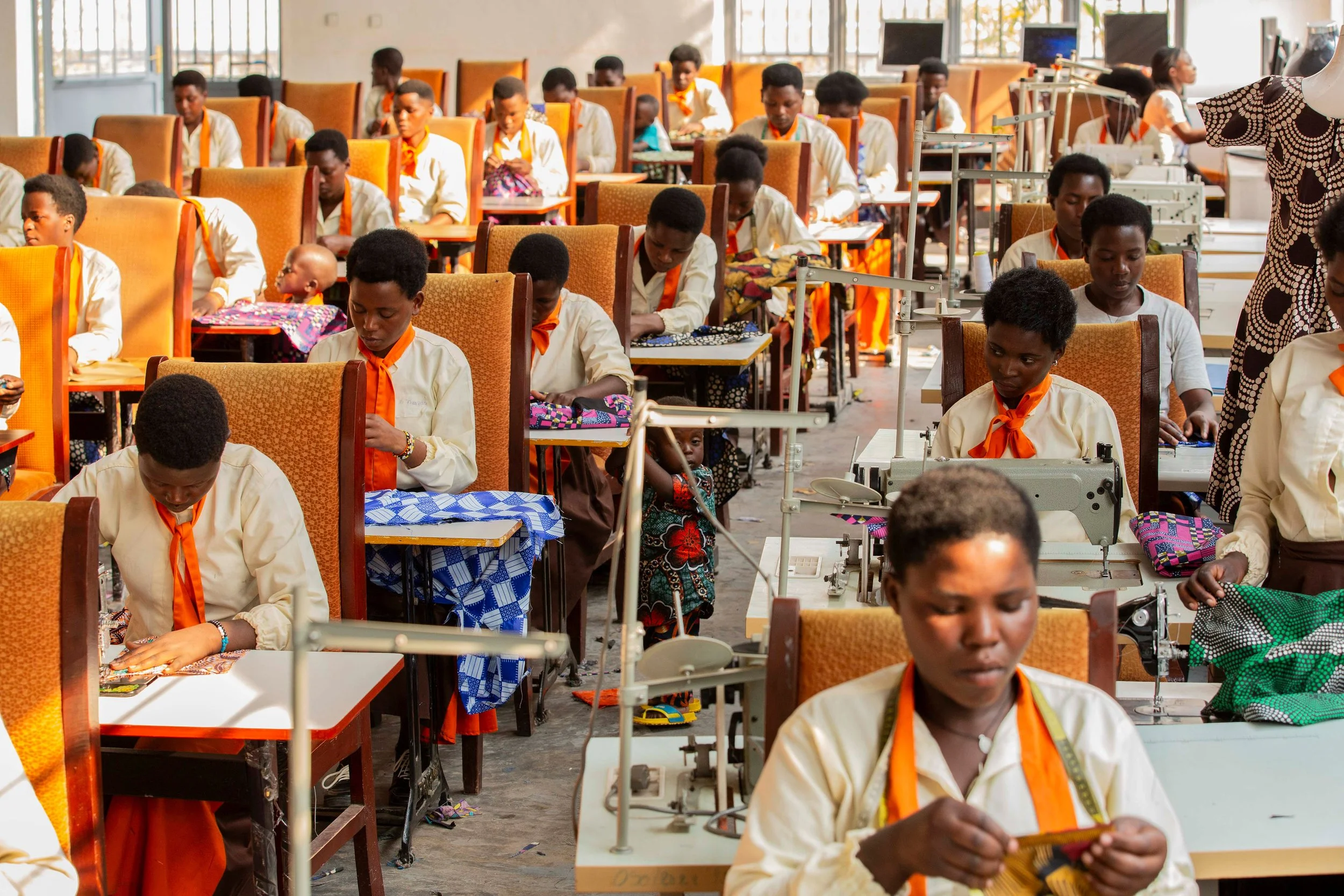
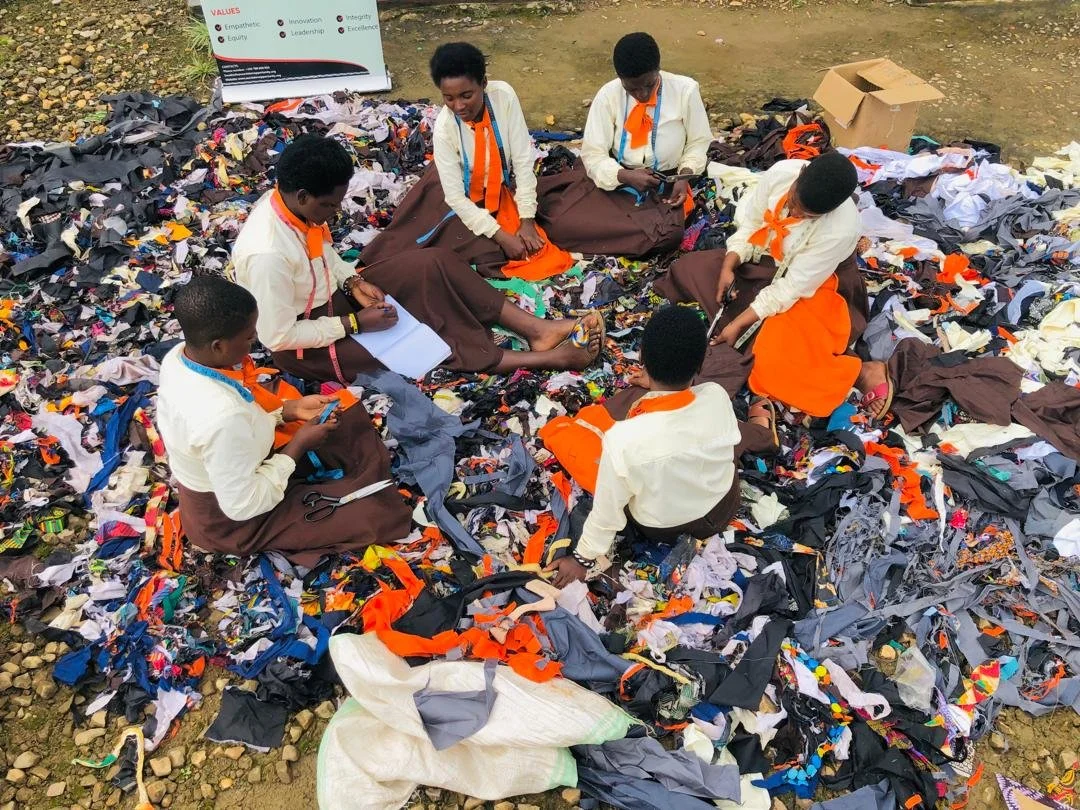
OSO was built for the women every other system had already passed over. It trains roughly 200 of them each year, including survivors of violence, teen mothers, women with disabilities, and those for whom no other educational pathway exists, in fashion design, soap-making, and agribusiness. The program provides a year of training followed by startup capital and two years of mentorship and market linkage support. The organization also runs gender-based violence prevention programming across ten districts and sexual and reproductive health education in secondary schools, working to address root causes alongside economic opportunity.
Uwamahoro described visiting one of OSO's first cohort graduates. The woman's family had been living in a house so damaged by flooding that they shared it with their domestic animals; her mother lived with a disability and had lost her husband in the genocide. After completing OSO's program and starting a tailoring and food business from home, the graduate was able to rebuild, not an elaborate house, Uwamahoro clarified, but one with two rooms and a working toilet, safe for her family of four. Additionally, her start-up generates enough and consistent income to address the basic needs for her and her household, while contributing to her community's economic ecosystem. "That picture of the house before, and the house after, it's always something that never leaves my mind" she said. "Seeing the hope she had in herself. That was super fulfilling for me."
Every year, more than 500 women apply to OSO. The number is not a logistical problem, it is a testament to how deeply this kind of opportunity is needed, and how few alternatives exist for the women who are seeking it. "That's the hardest day for me," she said. "I'd be like, let's take them all, we will find a way... but in reality, we always have to choose." It is a tension she carries openly: between the urgency of the need in front of her and the constraints of what OSO can currently sustain, one cohort and one story at a time.
Visit OSO’s Profile