Nice Place Foundation
Nice Place Foundation
Kenya | East Africa
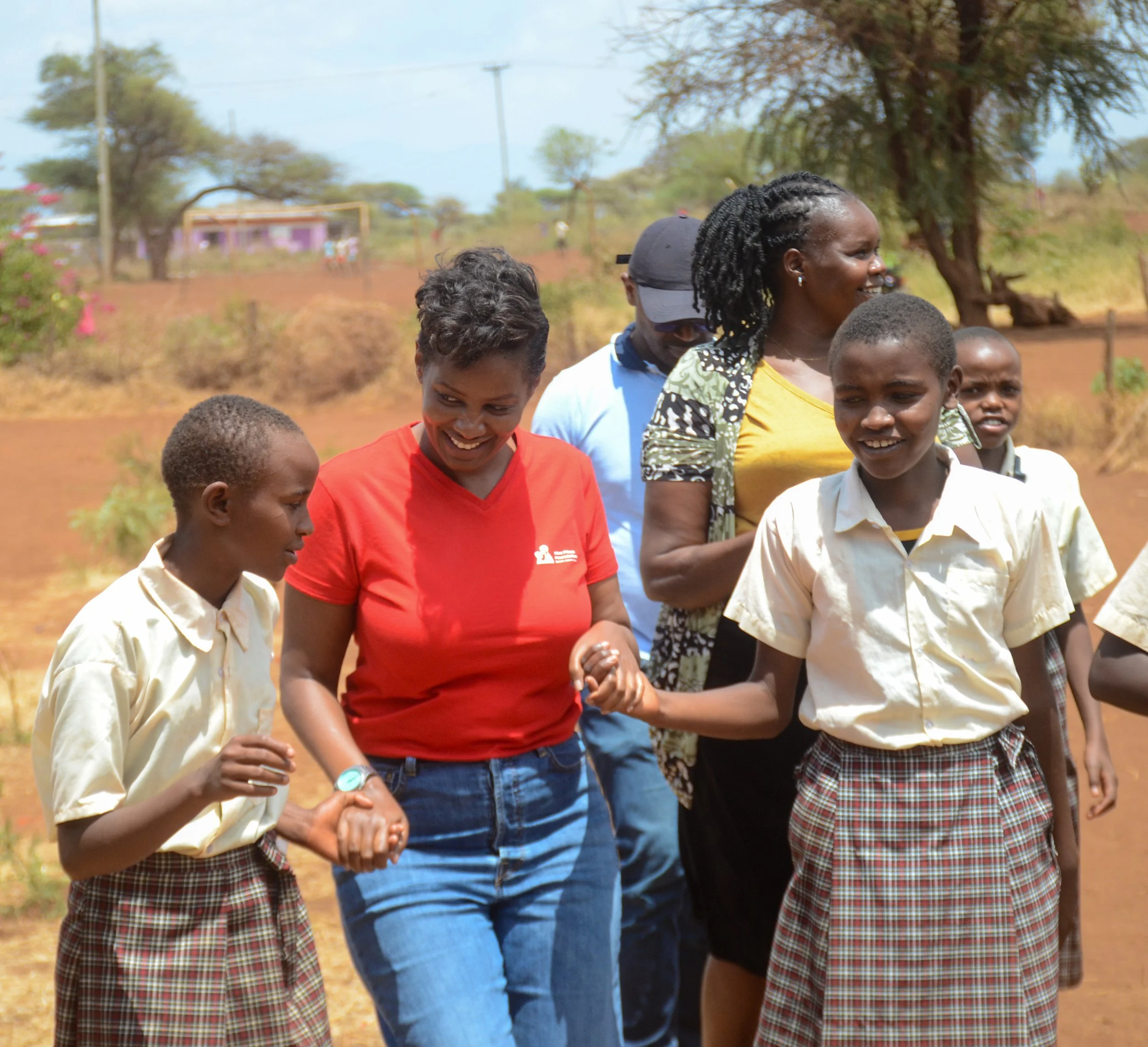
Nice Nailantei Leng'ete was six years old when she lost both parents. At eight, she was set to undergo female genital cutting and escaped. The relative who took her in protected her, but looking around at her peers, including her own sister, she saw that most girls in her community were not as fortunate. Whichever relative they ran to, an uncle, an aunt, a grandmother, was often a practicing cutter. An idea began forming early: someday, she wanted to have a place where girls could run to. Leng'ete carried that vision through years of work with AMREF rescuing girls and educating communities on alternatives to cutting, until October 2021, when Nice Place Foundation opened its doors as both a rescue center and a leadership academy under one roof.
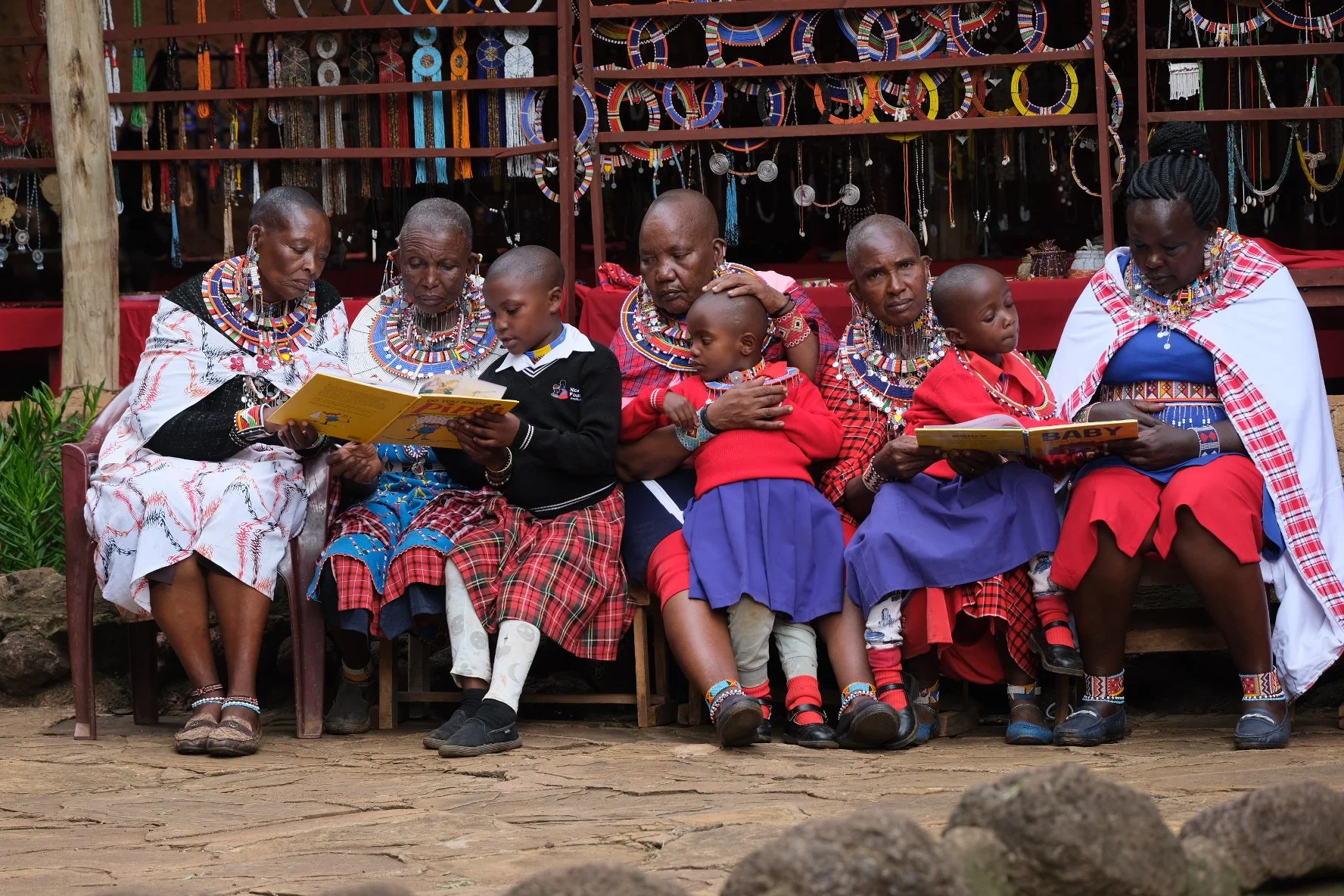
The organization's team is emphatic that the community Nice Place Foundation serves should not be defined only by the challenges it faces. "The community that we live in is the most resilient community," said Jancan Limo, who leads the organization's Leadership Academy and in-school programs. "A community that is rich in culture, rich in wisdom, and is quickly adapting... to change some of the things that are not working very well." Limo points to parents who walk long distances to bring their children to school despite having no school fees to offer, and girls who navigate enormous obstacles simply to attend class, as evidence of a determination that outside narratives rarely capture.
Nice Nailantei Leng'ete
One story illustrates the long, often difficult work of real change. A father had already married off his daughter and accepted a dowry when Nice Place Foundation intervened to bring the girl into its care and enroll her in school. Early reintegration conversations with the family were hostile: the father resisted and accused the organization of dictating his household. The team returned again and again, eventually with law enforcement for safety, until something shifted permanently. Today, that same father not only supports his daughter's independence but helps pay her school fees and attends the foundation's parent mentorship sessions. "If we can have more people converting and changing and supporting the girls' education," Limo said, "then that is the change that we are looking for."
Leng'ete is watching a troubling counter-response take shape as legal enforcement around cutting increases: families taking daughters across borders to circumvent the law, or cutting girls before age five so they will have no memory of it. Forcing change, she has learned, drives it underground. "You're trying to change culture, you're trying to change traditions, you're trying to change mindset and behavior," she said. "You don't expect change in one day, or in two days, or in one year." The response, she said, is not to force change faster, but to build deeper trust. "We believe even if you change the life of one girl... that's a generational change. We believe in one girl at a time, and that's how we do it every day."
Visit Nice Place Foundation’s profile