Spark Health Africa
Spark Health Africa
South Africa
Spark Health Africa's founder and CEO Richard Chivaka built the organization around a belief formed by years of witnessing: that many preventable deaths in African healthcare systems trace back not to a lack of resources or training, but to something harder to see. "It's easy to see a clinic that is run down. It's easy to see long lines," Chivaka said. "But what about the behavior of the people? What about the culture? What about the belief system, the invisible drivers of systems performance?" Since 2010, Spark Health Africa has worked not around African Ministries of Health but inside them, using leadership development, on-the-job coaching, and collective impact methods to shift the internal culture that determines whether a health system actually functions for the people relying on it.
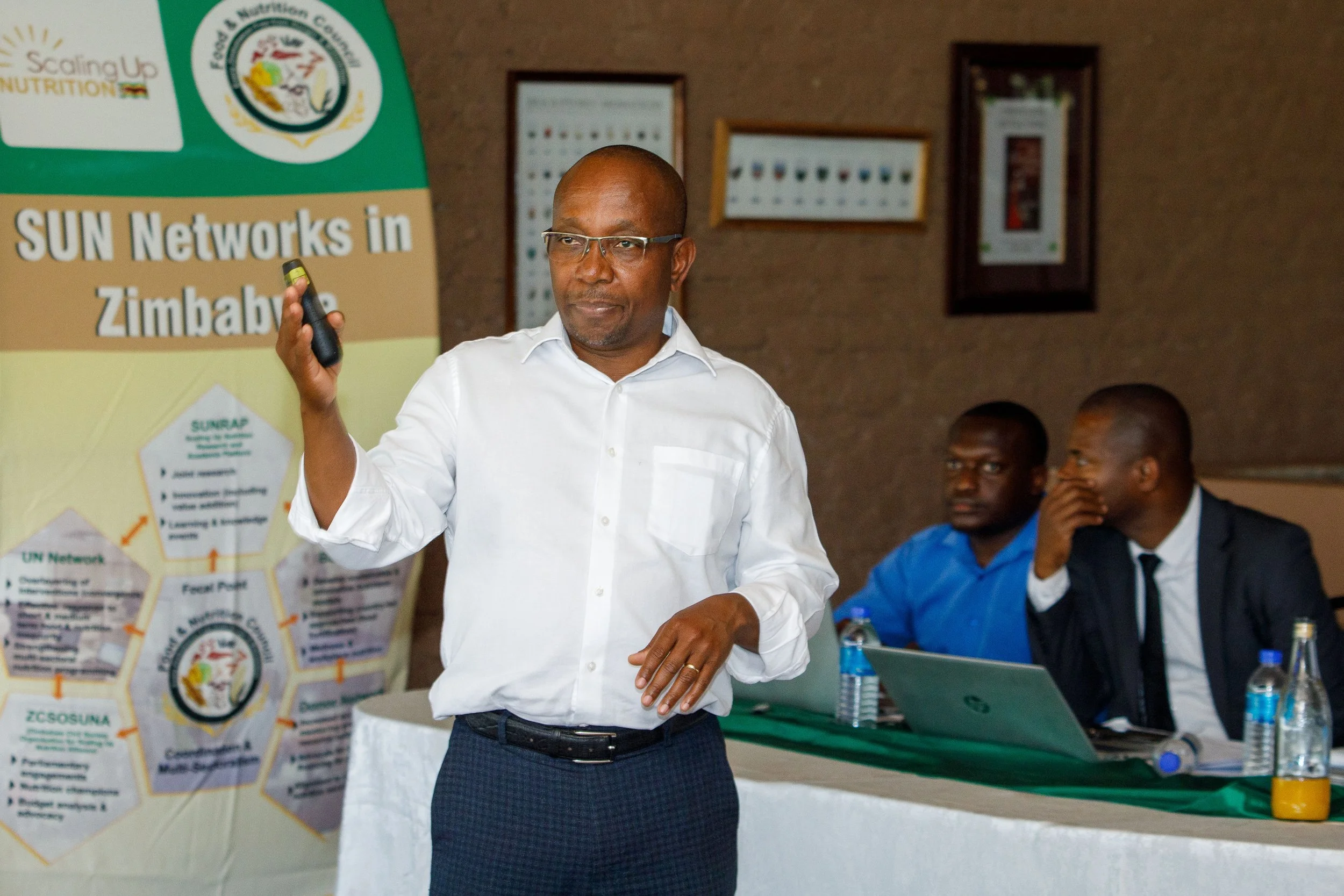
Richard Chivaka
The organization's early work in Lesotho illustrates what that looks like in practice. In some districts, mothers-in-law held significant influence over whether pregnant daughters-in-law could visit clinics for antenatal care, care that included HIV testing critical to preventing mother-to-child transmission. Direct outreach from health workers was meeting resistance. Rather than confronting that resistance, Spark Health Africa identified mothers-in-law who already supported clinic visits and equipped them to share that perspective through their own networks. First antenatal visit rates in the targeted districts rose from roughly 15 to 20 percent to as high as 90 to 95 percent, without spending additional money on the intervention itself. "The solutions are already in the system," Chivaka said. "We need to find them."
That same belief underlies Spark Health Africa's approach to the health professionals it works alongside. "There's nothing wrong with the intellect of your public health professionals," Chivaka said. "The solution is not to come up with packages... the idea is actually to support them to create new pathways in terms of how they think, how they work together." It is an approach that treats burnout, disengagement, and cultures of blame not as individual failings, but as predictable outcomes of systems that have never been designed to support the people working within them.
The deepest, most durable change, Chivaka argues, is also the least visible and the hardest to fund. He uses an iceberg. Everything funders typically measure sits above the waterline: clinic counts, vaccination rates, beds filled. Below it is the culture, the trust, the behavior, the invisible architecture of how a health system actually runs. That is where Spark Health Africa works. "If you look at your iceberg, transformation requires looking at the things right at the bottom," he said. "That's where real change comes, which is sustainable, which is systemic, and which is actually cheaper in the long term.” He is direct about what is needed instead: sustained, multi-year investment in work that is, by design, slow. "We are done with low-hanging fruit," Chivaka said. "We have to go deeper."
Visit Spark Health Africa’s profile