
AI in Education: Ethics Can't Be an Afterthought
Written by Nafissatou Sene
Next week, Nafissatou will attend WACSI's very first Africa at the Center Convening, during which she will join a fireside chat on what's limiting African-led development from thriving. Before she does, here's one piece of that puzzle: her reflections on AI's rapid rise in education and the same pattern that shows up whenever new tools and funding move faster than the people they're meant to serve.
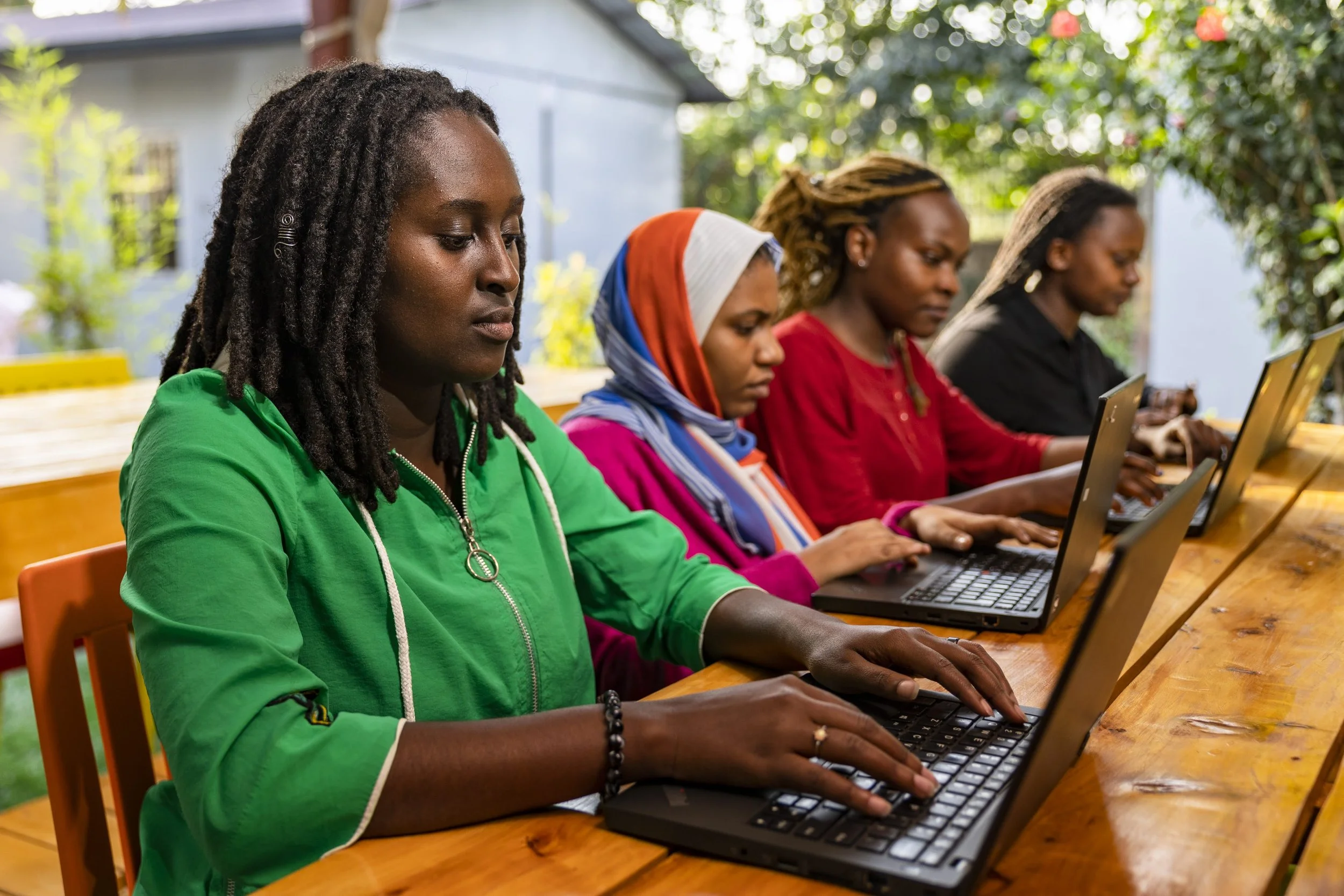
AkiraChix
We keep debating whether AI belongs in education, but it’s already here. AI is already in classrooms, already shaping how children learn, and already moving faster than most education systems can track. The question I keep coming back to is whether funders and policymakers will continue repeating the same mistakes: designing for the wrong child, overlooking markets that deserve investment, and measuring the wrong things.
Over the last six months, I've been to conferences around the world, including Skoll World Forum in Oxford, and AI has dominated the conversation at every single one. But it was at the World Innovation Summit for Education (WISE) in Doha last November, where the stakes felt sharpest. What every panel kept returning to was ethics as an urgent, practical question about who these tools are actually built for, and whether the answer is going to be any different this time.
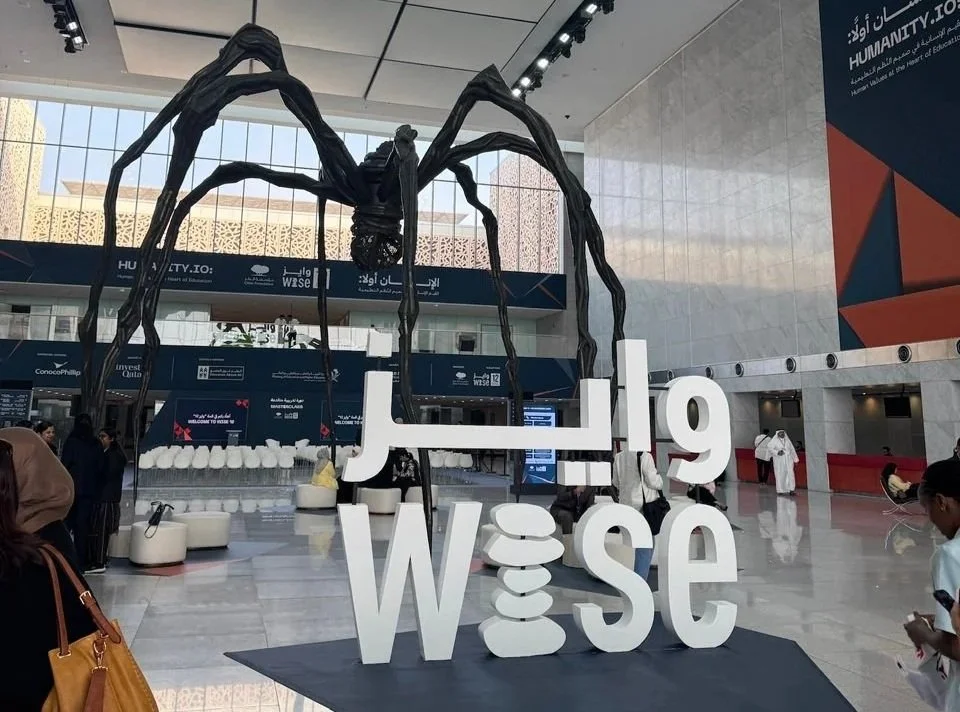
WISE
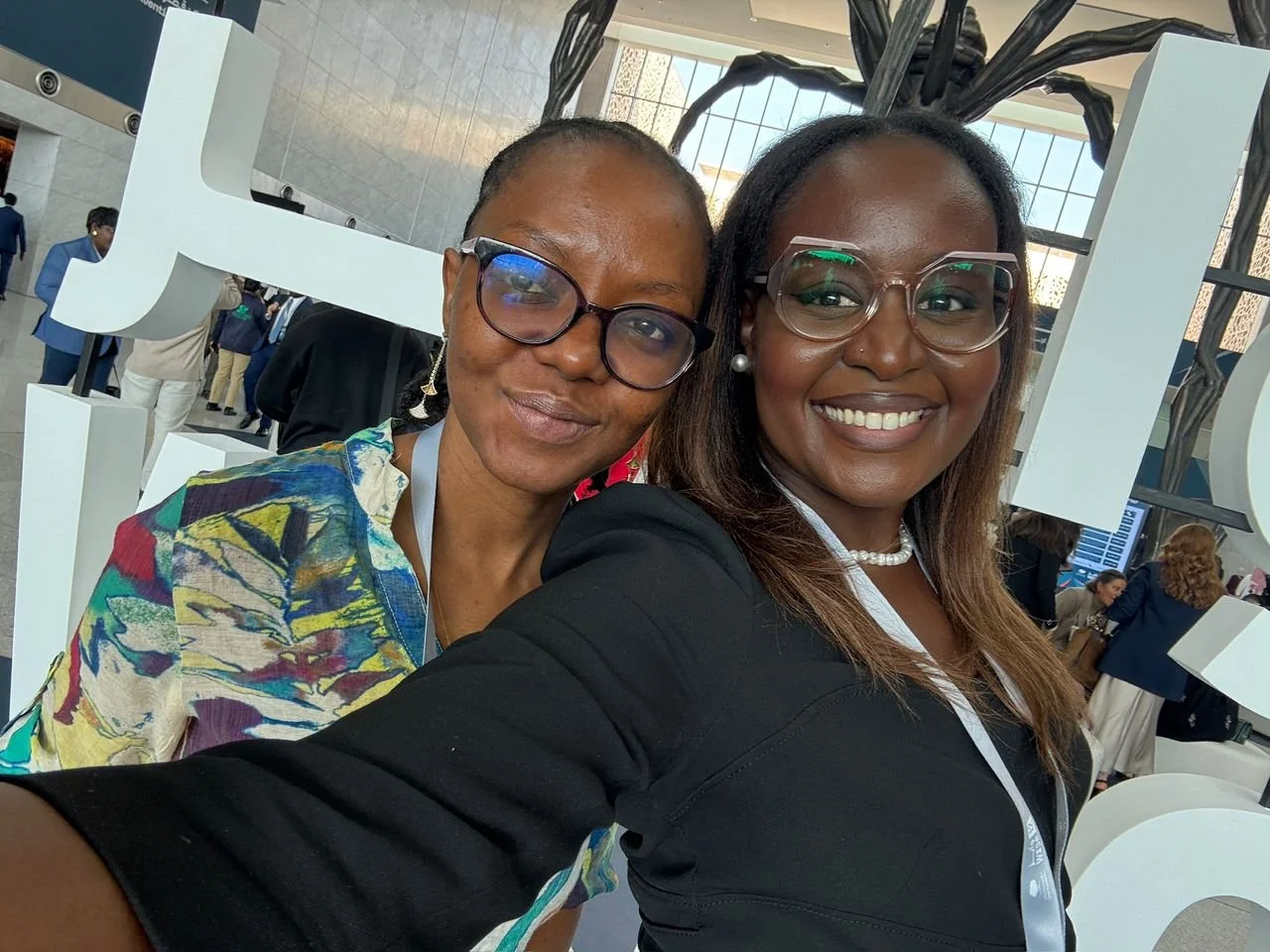
Omowumi Ogunrotimi (Gender Mobile Initiative) and Nafissatou at WISE
Designing for the Few, Not the Many
Here's a simple test for any AI deployment in education: which child are you designing for? During a session on socioeconomic disparities, a former Liberian government official zoomed in on the fact that we need to stop funding for the richest child and start funding for the poorest child. This reframe was so eye-opening that it stayed with me throughout the whole summit. If governments and funders built their education budgets around the child with the least access rather than the most, the impact would be dramatically greater. The same logic applies to AI. Scaling a tool that only reaches children who already have connectivity, devices, and trained teachers is not only widening the same gap, but creating additional disparities.
Avoiding the African Market
A Dalberg representative shared a message in that room that needs to resonate louder in the development world: Africa is not as high-risk as people make it out to be. It's actually one of the most attractive zones for high-impact returns in the world. For those of us working closely with African-led organizations, this is a no-brainer. But there's something different about hearing it stated plainly, with that backing, in a room full of donors and private sector representatives. This statement was not thrown out for dramatic effect; it came with stellar evidence, data, and years of research that support it.
Measuring the Wrong Things
One of the clearest takeaways from the funding conversations was to start with the result, not the program. Too often, organizations build something and hope impact follows. Outcomes-based funding flips that. What result are we trying to get? Who are we getting it for? That question matters in any context, but it matters especially when we're talking about deploying AI at scale in education. If we can't answer it clearly upfront, we probably shouldn't be scaling anything.
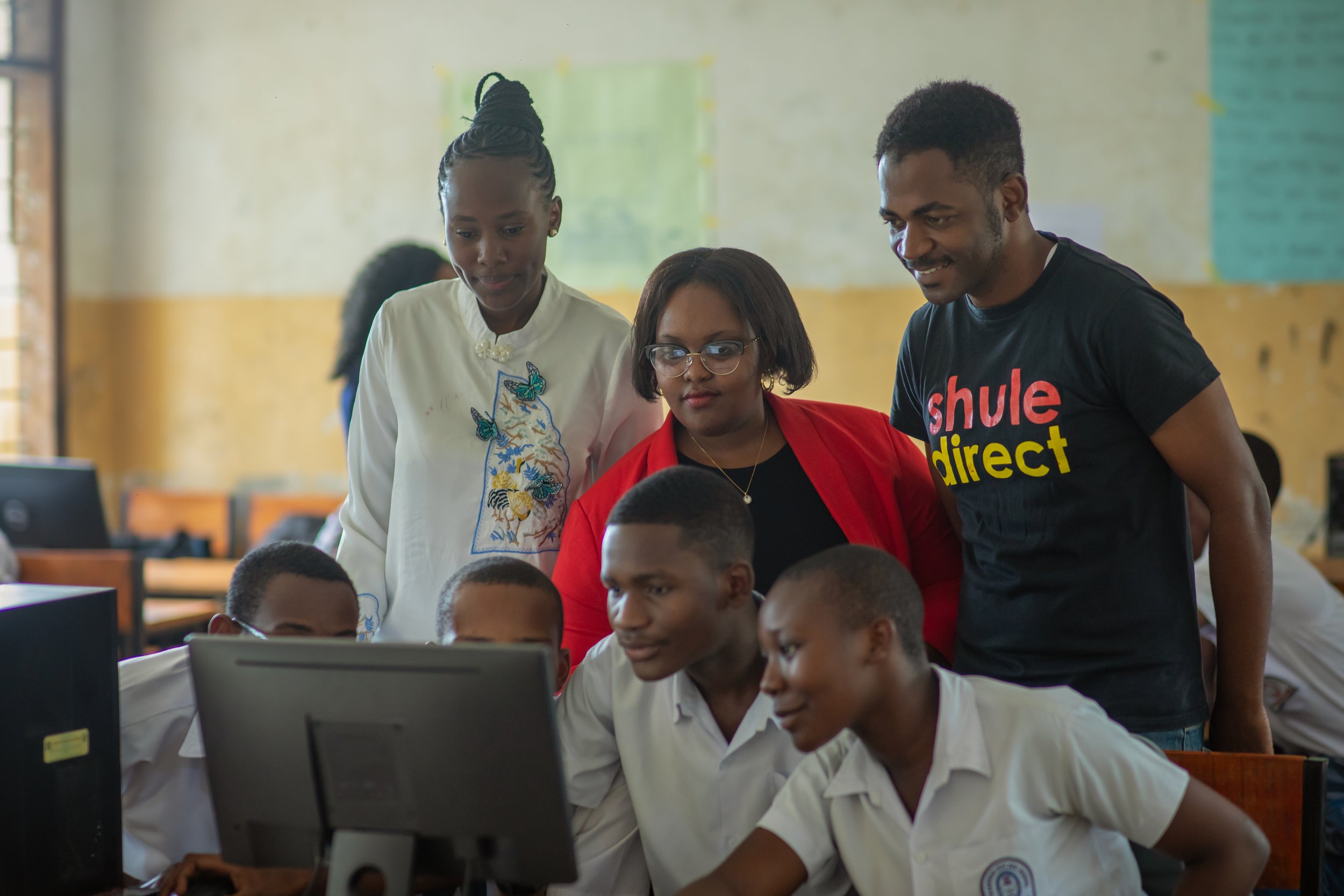
Shule Direct
Fundi Bots
For Us, by Us
AI isn't something happening to us. It's something we make. It's fed by human thought, human data, human decisions about what matters and who counts. African organizations have always found ways to innovate, and AI is no different. They're venturing into building it into their own systems, on their own terms. Funders must understand that we cannot generalize AI, in the same way that we cannot generalize education. What works in a private school classroom in Nairobi doesn't automatically work in a rural school in Burundi.
We see this firsthand through two of our partners. Shule Direct, based in Tanzania, has spent over a decade building digital study tools that meet students where they actually are, including AI-driven assessment tools piloted with foundational numeracy teachers in Dar es Salaam, in classrooms of 80-plus students.
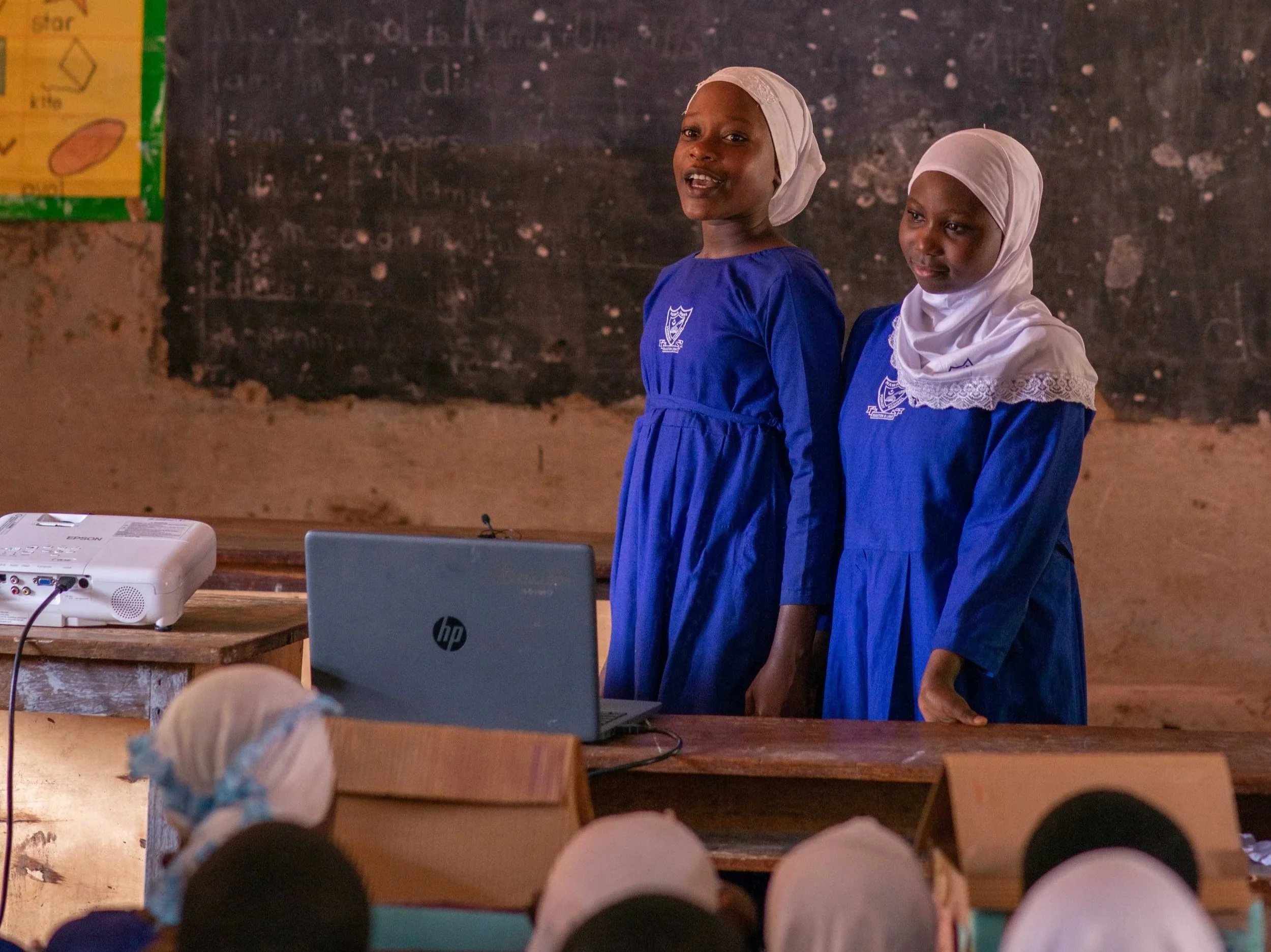
Fundi Botsin Uganda has spent years proving that science and technology learning works best hands-on, embedding practical STEM and robotics training directly into the national curriculum, with a deliberate focus on rural students and girls who are too often left out of these conversations entirely. Their model was designed for the conditions that already exist. Both organizations understand that technology only serves people when it's built with their input, not around them.
The Pattern is the Problem
The pattern running through all of this is the same question: who are we actually doing this for? I left WISE more convinced than ever that this isn't a question the technology will answer for us. That's not a technical challenge. It's an ethical one.
