
Let Us Stay Alive
Let Us Stay Alive (LUSA)
Sector Portfolios
- Idajo (Human Rights)
Focus Areas
- Livelihoods
- Climate
- Health
- Gender Equity
Cohort 05 (2026)
- Central Africa
- Democratic Republic of Congo (DRC)
- Rwanda
In North Kivu, eastern DRC, indigenous women and girls had been facing compounding layers of exclusion for generations: armed conflict, displacement, gender-based violence, and near-total absence from any decision-making space. Almost no organization had been built specifically to serve them. Let Us Stay Alive was founded in 2012 to change that, registering legally in DRC in 2013 and expanding into Rwanda in 2021 as the need for trusted, locally rooted support continued to grow across the region.
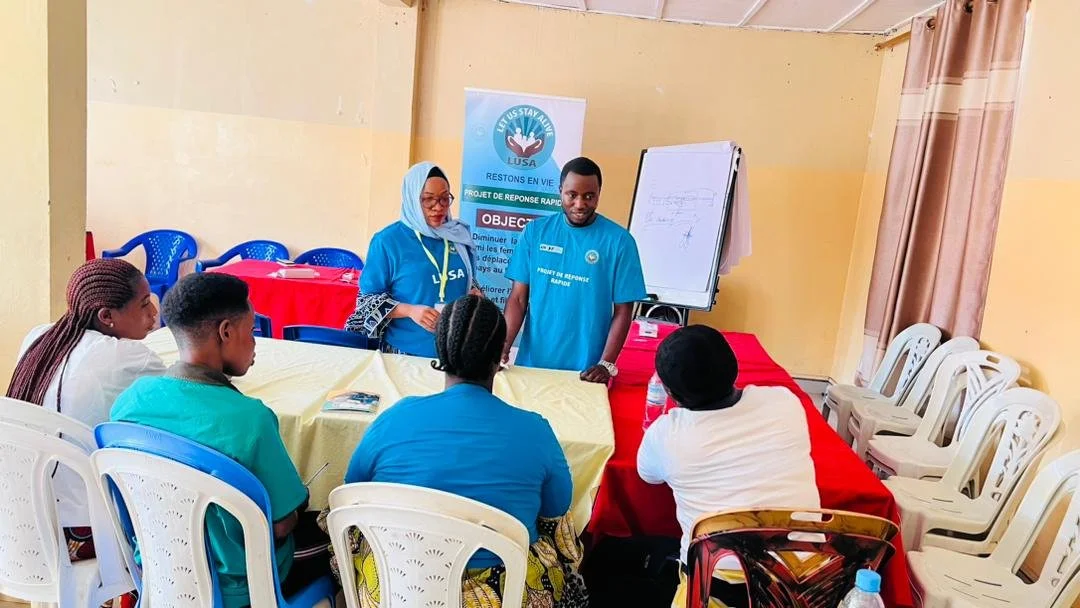
Let Us Stay Alive works in conflict-affected IDP camps across North and South Kivu, training peer advocates on sexual and reproductive health rights, HIV prevention, family planning, and women's rights, who then lead anti-SGBV clubs across six camps to raise awareness and reduce sexual violence. Survivors are supported through a referral and tracking system linked to six SGBV centers providing medical care, legal assistance, and psychosocial support. In partnership with Grand Challenges Canada, the African Women's Development Fund, and local partners, Let Us Stay Alive has established six mobile clinics serving more than 17,500 women and girls, created 75 anti-SGBV and HIV clubs, and reached over 982,000 women and girls through awareness campaigns and capacity-building activities.
Partner Impact
IMPACT HIGHLIGHTS
Leadership Highlight
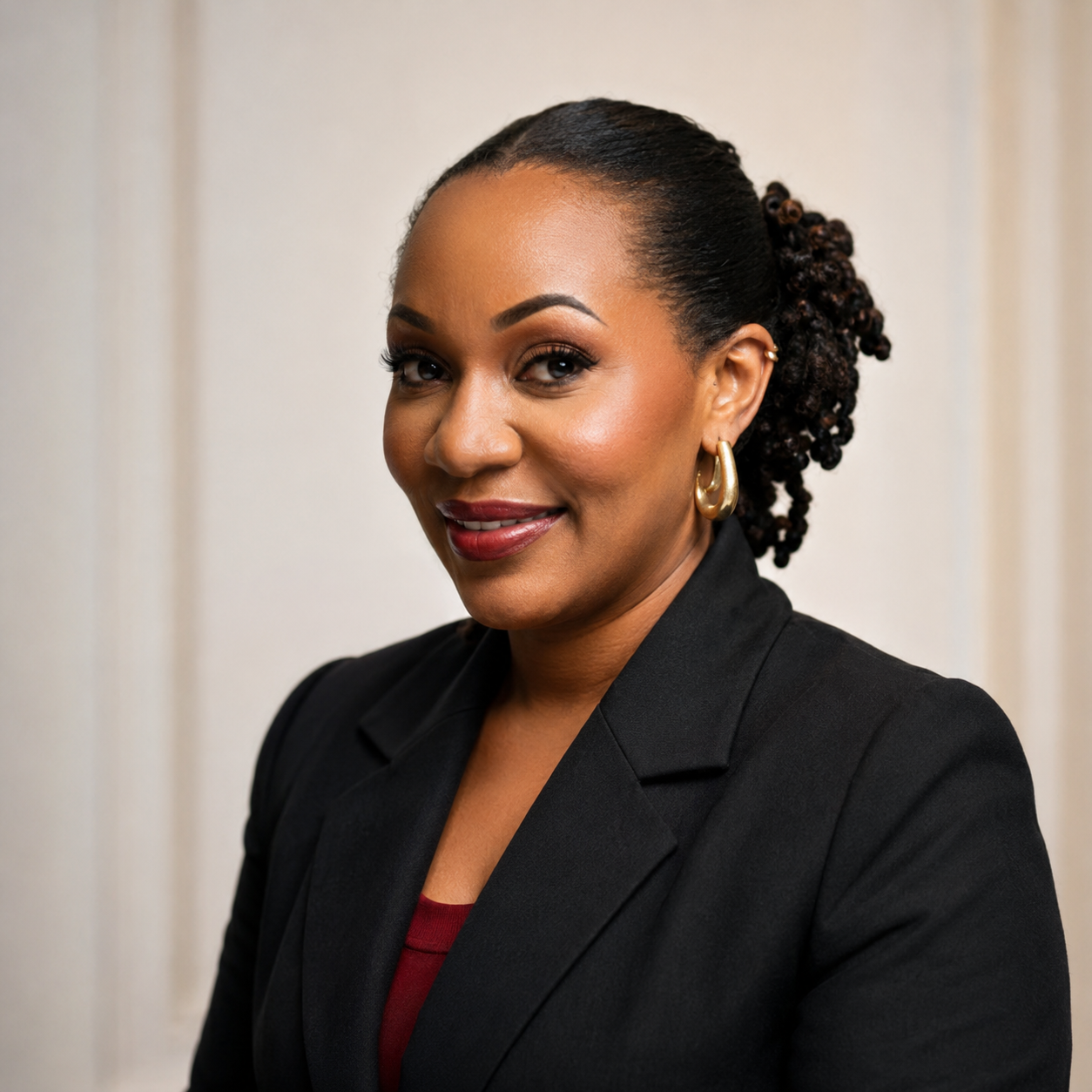
Dr. Solange Simpunga Imanishimwe
President
Dr. Solange Simpunga Imanishimwe, President and Executive Lead of LUSA, is a medical doctor and humanitarian leader advancing women’s rights, protection, health access, dignity and livelihoods for vulnerable women and girls in DR Congo and Rwanda.
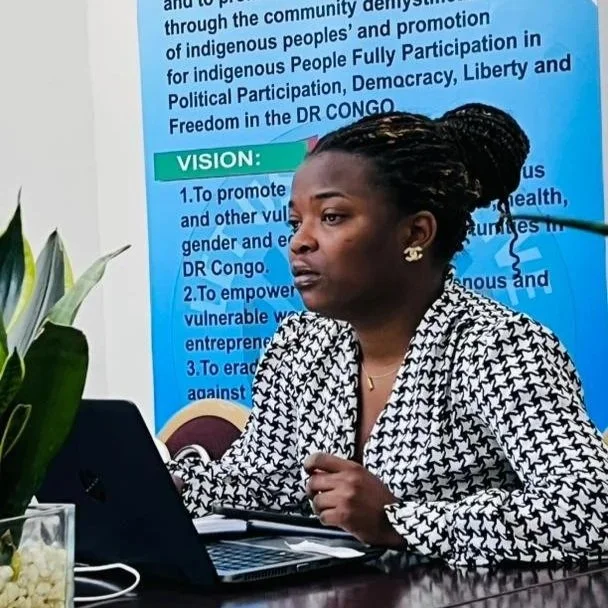
Alice Tembala
HR Officer
Alice Tembela, LUSA’s HR Officer, connects people with purpose by building a caring, accountable team that stays close to communities and strengthens protection, health, and resilience for women and girls in DR Congo and Rwanda
